Back Bay Is Built on Water, and a 40-Year-Old Trust Keeps It From Sinking
August 20, 2026
August 20, 2026
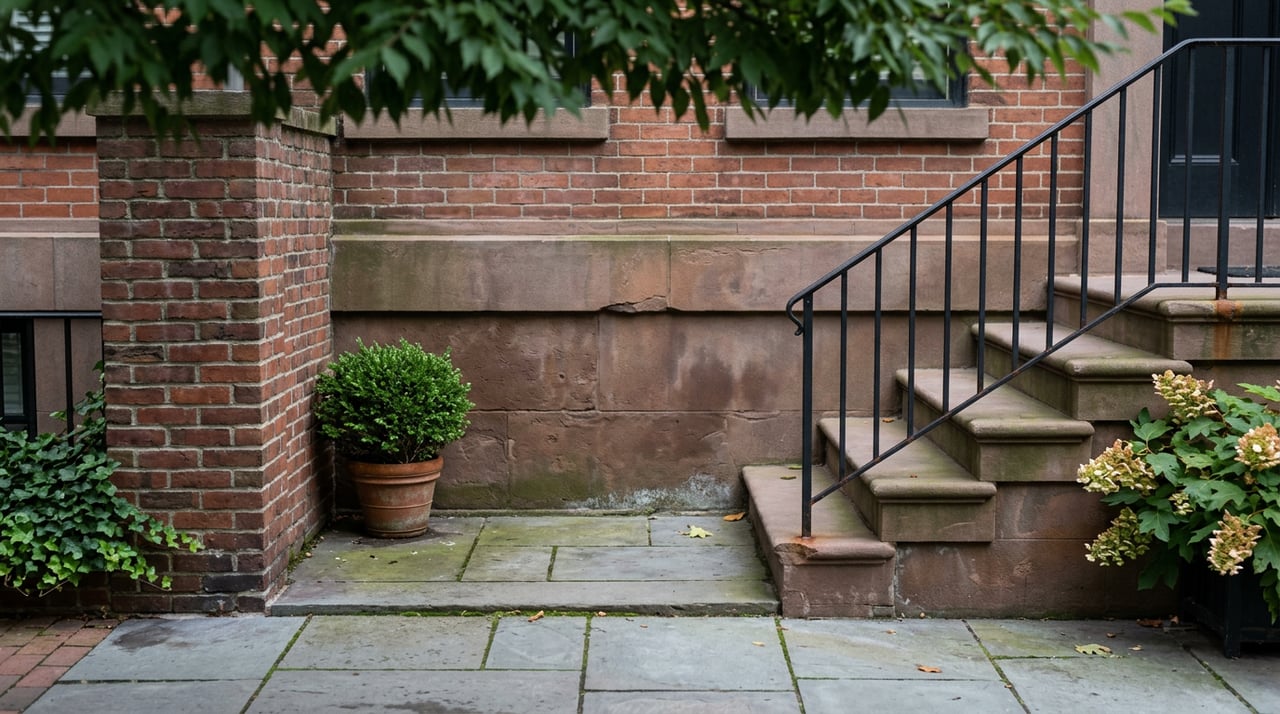
Walk down Marlborough Street or Commonwealth Avenue and you will pass a small metal cover set into the sidewalk, roughly the size of a manhole lid but stamped with a number instead of a city seal. Most people step over it without a second look. It looks like utility hardware, the kind of thing you assume connects to a gas line or a storm drain. It does neither. It is a monitoring well, part of a network that has one job: keep track of how much water is sitting underneath the building next to it.
That job exists because Back Bay is not built on solid ground. It is built on water that was filled in, and the wood holding up its brownstones only stays strong as long as it stays wet.
The name is not a metaphor. Before the 1850s, the area now covered by Newbury Street, Commonwealth Avenue, and the blocks around Copley Square was a tidal bay off the Charles River, and it had been that way since well before Boston existed as a city. The transformation started with the Beacon Street milldam, built between 1818 and 1821 by the Boston and Roxbury Mill Corporation to power tide mills, according to historian Nancy Seasholes. The dam cut off the natural tidal flushing, and the trapped water turned into a public health problem. What followed was one of the largest landfill operations of the 19th century: engineers filled roughly 450 acres, using gravel hauled in on rail lines from Needham, one of the same towns where families now shop for houses on the opposite end of the market this brand covers, packed hydraulically into the old bay bed through the early 1880s.
Every building that went up on that new land needed a foundation that could handle soft, filled ground instead of bedrock close to the surface. The solution was wood piles, typically 30 to 40 feet long, driven straight through the fill down to a firmer layer of clay. As long as those piles stay submerged, they can last centuries. The moment they don't, the clock starts.
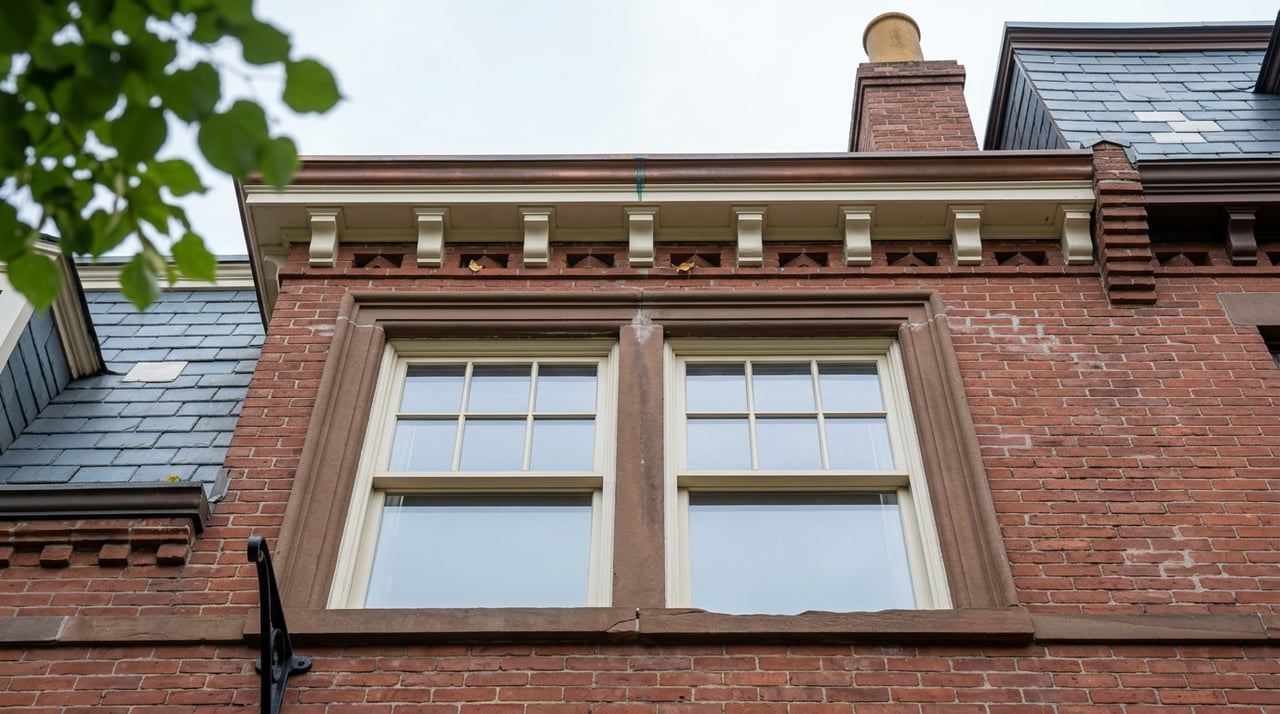
Wood underwater does not rot the way wood in open air does. Submerged piles sit in an oxygen-starved environment that keeps the bacteria and insects that eat wood from getting a foothold. Drop the water table low enough to expose the tops of those piles to air, even for a few years, and decay sets in. The building above does not collapse overnight. It settles unevenly instead, which shows up first as diagonal cracks in brick, then as windows and doors that stop closing properly.
Trinity Church, finished in 1877, sits on roughly 4,500 of these wood piles. During a past drought, a facilities supervisor at the church checked its own monitoring well with a hand probe and found the water level down about six inches from the year before, sitting around 12 and a half feet. That is the kind of routine check that happens quietly, building by building, all over the neighborhood.
The Boston Public Library's main building in Copley Square learned the cost of getting this wrong the hard way. In 1929, the library had to undertake major foundation repairs after its own piles were compromised, at a cost of roughly $200,000. In today's dollars, that repair bill runs to something like $3.5 million. That single number illustrates why monitoring groundwater matters across the city, building after building, on a much larger scale.
The Boston Groundwater Trust was established by the City Council in 1986, specifically to monitor water levels and protect the wood-pile foundations under more than 8,000 historic homes and buildings across the city. Back Bay is the best-known example, but the same fill-and-pile construction underlies parts of Beacon Hill, the South End, Bay Village, the Fenway, Chinatown, Fort Point Channel, the North End, and East Boston. This March, the City Council marked the Trust's 40th anniversary with a formal resolution, recognizing four decades of maintaining observation wells and coordinating with property owners and engineers on a problem that never fully goes away.
The stakes for an individual building are not abstract. According to the Trust's own figures, underpinning a standard three or four story rowhouse with decayed piles can start at $300,000 and run well past that, depending on how many piles need replacing and how large the structure is. That is the bill a property owner faces if the wells this piece opened with ever show a sustained drop and nobody acts on it in time.
This past July, the Neighborhood Association of the Back Bay hosted a free walking tour led by the Trust's executive director, Christian Simonelli, taking a small group of residents past the actual well locations and explaining, cover by cover, what the numbers stamped into the sidewalk metal actually track. It was a rare chance to see an invisible system made visible, guided by the person whose job is to watch it every day.
None of this changes what the neighborhood feels like from street level, which is the point. The Copley Square Farmers Market keeps running twice a week from spring through late fall, set up right outside the Boston Public Library's Copley Square entrance, a stone's throw from the same building whose foundation needed emergency repair almost a century ago. Open Newbury Sundays keep closing the street to cars on select dates through the fall, filling the block with the kind of foot traffic the original 19th century deed restrictions never anticipated. Both of these things happen directly above a grid of wells that most of the people enjoying them will never notice.
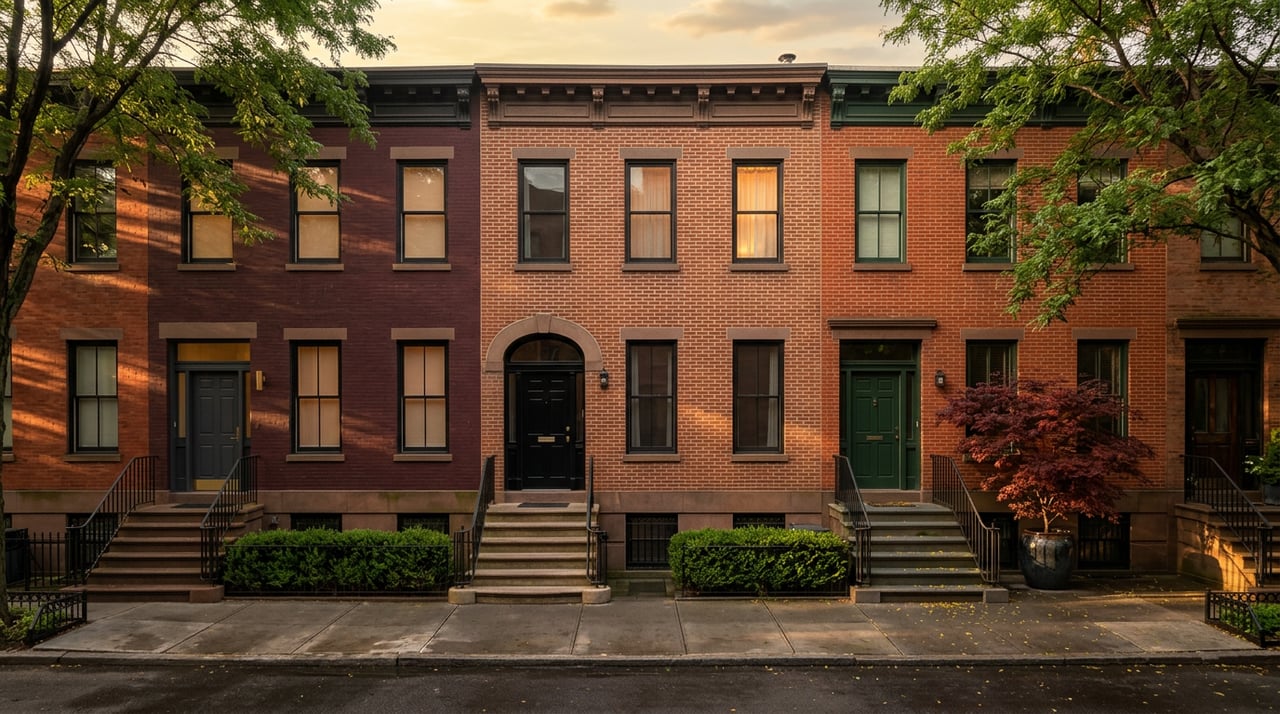
That is the actual thesis worth sitting with. Back Bay reads as permanent, plotted on a formal 19th century grid, lined with brownstones that have not visibly changed in a hundred and fifty years. But nothing about that permanence is automatic. It is maintained, literally, one water level reading at a time, by an organization most residents have never heard of, which monitors groundwater in a landfill neighborhood where solid-looking ground cannot be assumed to stay that way on its own.
Next time you step over one of those small metal covers on your way to the market or around a road closure on a Sunday, you now know what it is doing. It is one of the reasons the block still looks the way it did when it was built.
If you live in Back Bay, or you're weighing what it means to own a piece of a neighborhood built this way, Alexandra Haueisen has spent years working inside these blocks and can talk through what it actually looks like day to day, on this street and the ones around it. Let's discuss your Boston move, call or message Alexandra today.
Stay up to date on the latest real estate trends.
Whether you're ready to buy, preparing to sell, or simply exploring your next steps in the Greater Boston area, Alexandra is here to help you move forward with clarity and confidence. She offers personalized consultations, market insights, property valuation guidance, and tailored recommendations based on your goals. Reach out today to start a conversation and experience attentive, detail-driven support that leads to meaningful results.