Trying to pick the right Newton village can feel like splitting hairs. You know Newton is the right move, but the vibe, housing mix, commute, and day-to-day feel can change from one village to the next. You want clarity before you start touring. In this guide, you’ll compare Newton’s villages by housing, transit, schools, and lifestyle so you can focus your search with confidence. Let’s dive in.
How villages differ for buyers
When you compare Newton’s villages, look at six things:
- Housing stock and lot size: single-family vs multi-family vs condos, typical styles, and yard space.
- Price and competition: how quickly homes sell and what price ranges dominate.
- Schools and family factors: assigned public schools, proximity to preschools and private options, and how school zones influence demand.
- Commute and transit: MBTA options and access to highways.
- Amenities and walkability: shops, restaurants, parks, and daily conveniences.
- Zoning and development: historic districts, multi-family corridors, and ADU policies that may affect renovations or rental potential.
The sections below group Newton’s villages into buyer-friendly categories so you can narrow your shortlist.
Premium, leafy suburban villages
Examples often cited: Newton Centre, Waban, parts of Chestnut Hill.
What you’ll find
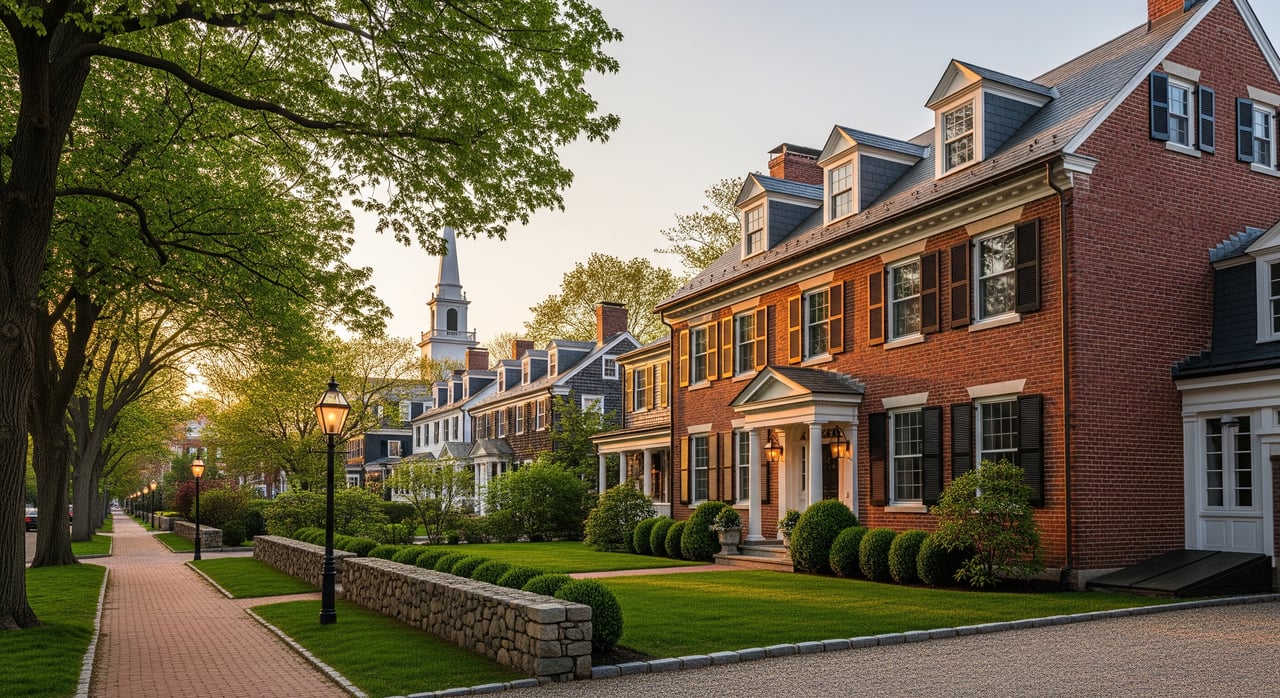
These areas tend to feature larger lots, mature trees, and a higher share of single-family homes with classic New England architecture. You’ll see historic homes alongside tasteful infill and well-kept properties on quieter streets.
Price and competition
Buyers here often face stronger competition for move-in-ready single-family homes. Inventory can be limited, and homes that blend location, yard space, and vintage charm may sell quickly.
Schools and family notes
Homes are address-assigned within Newton Public Schools. Proximity to schools and parks is a draw for many households. Always verify current school assignments directly with the district before making an offer.
Commute and transit
Expect a balanced commute profile. These villages offer reasonable access to regional job centers while providing a calm residential feel. Service levels vary by address, so plan a test commute during peak hours.
Amenities and character
Day-to-day life leans residential with pockets of dining, coffee, and services. Parks and outdoor assets across Newton, including Crystal Lake, the Charles River, Hemlock Gorge, and Nahanton Park, add to the appeal.
Fit and tradeoffs
- Best for: space, yard seekers, and buyers prioritizing a calm residential setting.
- Tradeoffs: higher entry prices and potentially longer home searches due to lower inventory.
Walkable village centers with strong transit
Examples often cited: Newtonville, West Newton, Newton Highlands.
What you’ll find
Classic village centers with restaurants, cafes, services, and a mix of housing types. You’ll find single-family homes on smaller lots, townhomes, and condos near village streets.
Price and competition
Homes near retail and transit tend to draw consistent buyer interest. Expect competition for renovated single-family homes and well-located condos within easy distance of shops and commuting options.
Schools and family notes
As with all of Newton, school assignments depend on address and can change. Many buyers appreciate the convenience of walk-to-amenities living along with nearby parks and libraries.
Commute and transit
These areas are known for strong transit options and convenient connections to Boston and Cambridge. Select addresses can offer a short walk to transit hubs. Driving remains workable, though street activity can add to traffic at peak times.
Amenities and character
Village main streets support daily life without a car. Evenings feel lively but neighborly, with casual dining and community services within a short stroll.
Fit and tradeoffs
- Best for: transit-focused professionals, downsizers wanting walkability, and buyers who value convenience.
- Tradeoffs: smaller yards, more street activity, and higher prices per square foot for well-located properties.
More affordable and diverse housing mix
Examples often cited: Nonantum, Lower Falls, parts of Oak Hill.
What you’ll find
A greater share of multi-family homes, smaller-lot single-families, and condos. This mix can create approachable entry points for first-time buyers and investors.
Price and competition
Relative value may be better compared to leafier villages, though attractive listings still see strong interest. Investors may focus on multi-family opportunities where allowed by zoning.
Schools and family notes
All households in Newton are served by the city’s public school district. Proximity to parks, playgrounds, preschools, and community centers can be a day-to-day advantage.
Commute and transit
Access varies by street. Some pockets are close to bus corridors or have reasonably quick drives to major routes. Evaluate both transit and driving times during the hours you actually commute.
Amenities and character
Local main streets and small business clusters bring practical convenience. Larger retail and recreation are a short drive away. You’ll also find easy access to riverside parks in some areas.
Fit and tradeoffs
- Best for: value-first buyers and those open to a range of property types.
- Tradeoffs: smaller lots and more varied streetscapes; consider renovation budgets for older housing.
Edge-of-town and commuter oriented
Examples often cited: Auburndale, West Newton.
What you’ll find
Residential pockets with practical access to regional job corridors. Housing ranges from classic single-families on modest lots to townhomes and condos near transit and main roads.
Price and competition
Well-located homes with flexible commutes draw steady interest. Move-in-ready homes near commuter routes tend to sell faster.
Schools and family notes
Households are assigned to Newton Public Schools based on address. Many buyers appreciate the balance of suburban living with quicker access to highways.
Commute and transit
Parts of these villages are attractive for car commuters heading to Route 128 or the Massachusetts Turnpike. Some areas are served by commuter options. Always check options from your specific street.
Amenities and character
Expect convenient access to services, with parks and river trails a short drive or bike ride away. Village centers offer dining, coffee, and daily conveniences.
Fit and tradeoffs
- Best for: buyers who prioritize commute reliability and easy highway access.
- Tradeoffs: more traffic near major routes and smaller yards compared with the leafier core.
How to approach schools in Newton
- Newton has a single public school district. Assignments are address based and can change. Verify your property’s current assignment directly with the district before you rely on it in a purchase decision.
- Distance to schools and walkability can shape demand. Homes close to schools and amenities often draw more interest.
- If schools are a priority, tour during arrival or dismissal hours to understand traffic patterns and walking routes.
Commute reality check
- Transit options: Parts of Newton are served by MBTA Green Line branches and commuter rail, with local bus routes connecting to stations. Service levels and walk times vary street by street.
- Driving: Typical drive times to Boston, Cambridge, and Route 128 vary by departure time and weather. Run a live test during your actual commute hour.
- Parking and last mile: Some stations have parking or nearby street options, and biking can be practical on certain routes.
Ownership costs and condo fees
- Property taxes: Newton property taxes apply citywide. Annual costs vary by assessed value and exemptions. Review records for any home you are considering.
- Condos: Monthly fees differ based on building size, amenities, and reserve health. Review budgets, reserves, and any upcoming capital projects during your condo diligence.
Zoning, renovation, and development
- Zoning basics: Newton’s zoning map governs what you can build, expand, or convert. If you plan an addition, ADU, or a change of use, confirm what is allowed.
- Historic districts: Some homes sit within local historic districts that limit exterior changes. Always check overlays before you design a renovation.
- Development: Village centers evolve as projects are proposed or approved. New retail, housing, or streetscape changes can influence future walkability and parking.
Quick village shortlist by buyer type
Buyer A: Yard and classic single-family
- Priorities: larger lot, traditional architecture, calm streets.
- Shortlist: Newton Centre, Waban, parts of Chestnut Hill.
- Tradeoffs: higher purchase price and potentially lower inventory.
Buyer B: Transit-focused professional
- Priorities: walkable center, easy transit, evening dining.
- Shortlist: Newtonville, West Newton, Newton Highlands.
- Tradeoffs: smaller lots, more activity, higher price per square foot near transit.
Buyer C: Value-first buyer or investor
- Priorities: approachable price point, potential for multi-family or condo options.
- Shortlist: Nonantum, Lower Falls, parts of Oak Hill.
- Tradeoffs: smaller lots and more varied property conditions; plan for updates.
Buyer D: Downsizer seeking convenience
- Priorities: low-maintenance living near shops and services.
- Shortlist: Newtonville, Newton Highlands, West Newton.
- Tradeoffs: condo fees and less private outdoor space.
Your next steps
- Define your top three priorities: housing type, commute, and lifestyle.
- Pick two village categories that fit those priorities and map 6 to 8 addresses to tour.
- Verify school assignments for any home you like and explore the route during school hours.
- Test your commute both ways during peak times and check parking options.
- Review zoning, historic overlays, and condo documents before you finalize your shortlist.
If you want a curated approach, request a custom shortlist and tour plan tailored to your goals. Reach out to Alexandra Haueisen for a data-driven, hands-on strategy that streamlines your Newton search.
FAQs
Which Newton villages are the most walkable for daily errands?
- Village centers like Newtonville, West Newton, and Newton Highlands offer clusters of shops, dining, and services within a short stroll of many homes.
Where in Newton do you typically find larger lots and classic homes?
- Buyers often look to Newton Centre, Waban, and parts of Chestnut Hill for larger lots, mature trees, and vintage New England architecture.
How do public schools affect home searches in Newton?
- School assignments are address based and can change; many buyers verify current boundaries early because proximity and assignments can influence demand and pricing.
Which villages suit a Route 128 or Mass Pike commuter?
- Auburndale and West Newton are commonly cited for convenient access to major routes, while walkability to transit can also factor into your routine.
Is condo living available in Newton’s villages?
- Yes. Condos and townhomes cluster near walkable village centers and along transit corridors, with fees, amenities, and building sizes varying by address.