Your South End Boston Neighborhood Guide to Local Life
March 5, 2026
March 5, 2026
Thinking about a walkable Boston neighborhood with historic charm and a design-forward vibe? The South End pairs leafy brick streets and pocket parks with galleries, markets, and a deep restaurant bench. In this guide, you’ll get a feel for everyday life, housing styles, parks and dog spots, and how you’ll get around. If you want a central city home with real neighborhood rhythm, let’s dive in.
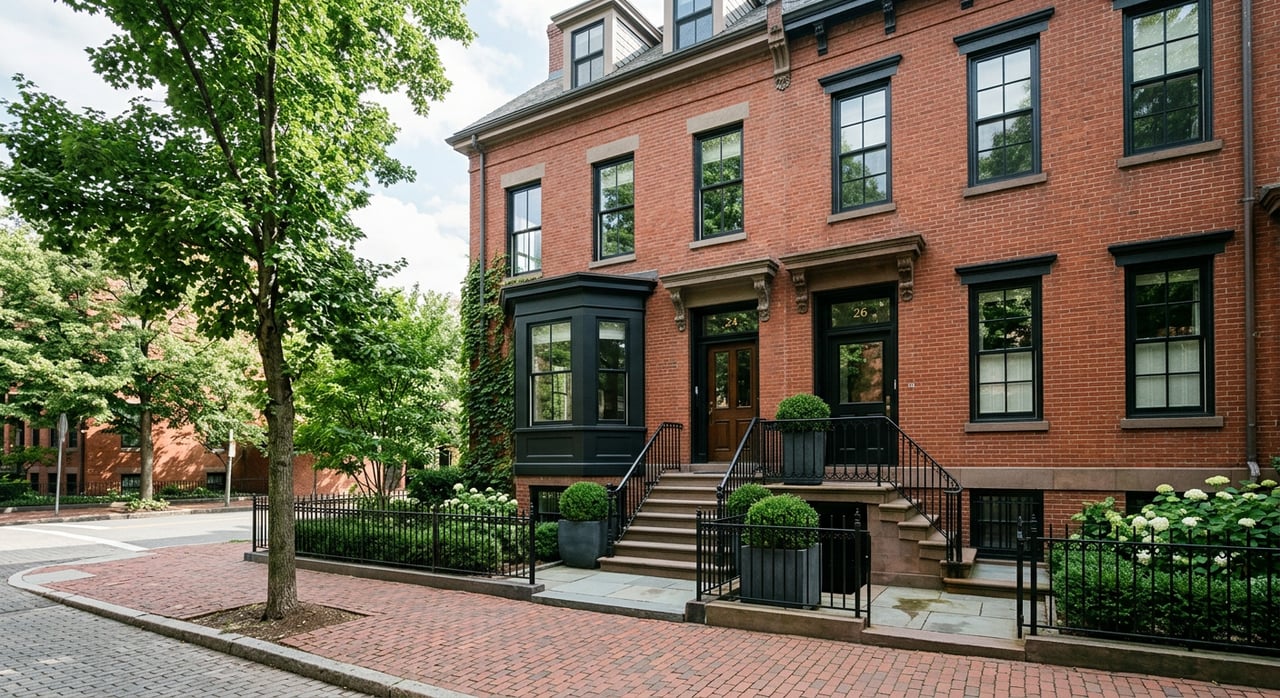
The South End sits just south of Back Bay and north of Roxbury, close to downtown jobs and cultural venues. Within its grid are several subareas, including SoWa, short for South of Washington, known for arts and design. Much of the neighborhood falls within a protected historic district. That status helps preserve the character of the streets and rowhouses, and it means exterior changes often require review, with resident guidance available through the South End Historical Society.
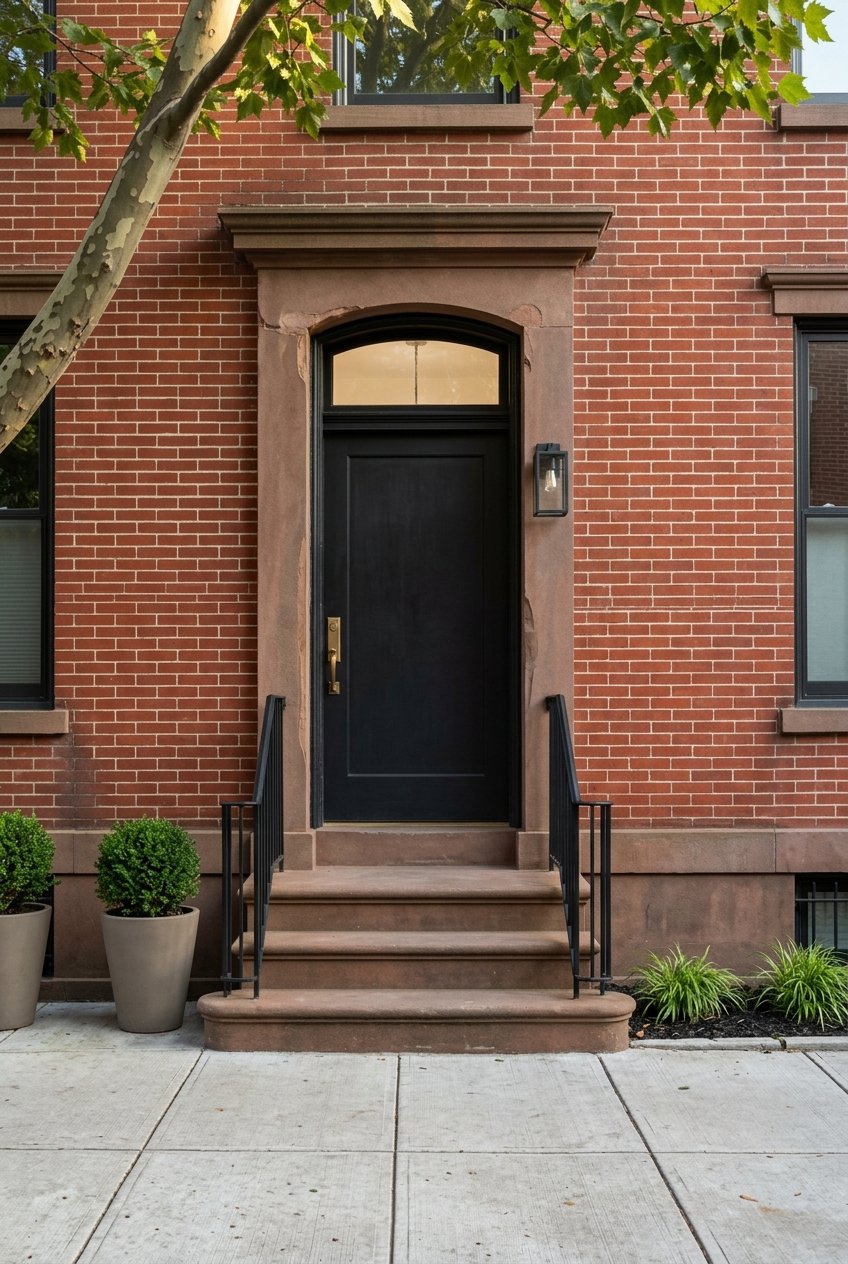
The South End is widely known for its mid‑19th‑century brick and brownstone rowhouses in Italianate, Greek Revival, and later Victorian styles. Many were originally single family and were later adapted into condos or multi‑unit homes, which is why you see everything from grand townhouses to compact walk‑ups on the same block. The neighborhood was planned with a series of small, English‑style residential squares that act like green rooms along tree‑lined streets. These pocket parks help the South End feel intimate and residential even though you are close to downtown. If you plan exterior work on a brownstone, be aware that many blocks are in a Landmark District. Review and permitting usually apply, and the South End Historical Society is a helpful first stop.
If you love design, galleries, and markets, SoWa is the neighborhood’s creative core. You’ll find artist studios, design showrooms, and open‑studio nights like First Fridays. The seasonal SoWa Open Market draws artisans, farmers, and food trucks, making Sunday strolls a local ritual. Check the current schedule and events on the SoWa Artists calendar.
Dining is a major part of South End life. Along Tremont, Washington, and Harrison, you’ll find cozy bistros, tapas, and chef‑driven spots alongside casual cafés. Names locals often mention include Aquitaine, SRV, Toro, Bar Mezzana, Yellow Door Taqueria, and neighborhood music venue The Beehive. Newer mixed‑use areas like Ink Block add patios and modern storefronts to the mix. Explore the development and its amenities at Ink Block.
Small parks are everywhere here. Blackstone Square, Franklin Square, and Union Park are among the best‑known pocket greens that double as neighborhood gathering places. You can browse a list of popular parks on Boston.gov.
Dog owners often head to Peters Park near Shawmut Avenue, which includes fenced dog areas with separate spaces for small and large dogs, along with courts and a playground. For rules and updates on off‑leash use, review the city’s guidance on dogs in Boston parks.
For longer runs or bike rides, the Southwest Corridor Park skirts the neighborhood’s northwest edge. This 4‑plus mile linear park connects Back Bay to Forest Hills with multiuse paths and courts, and many residents use it for commuting and weekend exercise. Learn more on the Southwest Corridor Park page.
If you enjoy gardening, the South End’s community plots are a quiet perk. Groups like The Trustees coordinate spaces such as Berkeley Community Garden and Worcester Community Garden, often with local lotteries. See the current list of gardens and how to get involved via The Trustees of Reservations.
Housing in the South End is a blend of classic and contemporary. You’ll see:
Prices vary widely by building type and level of finish. The neighborhood generally sits at the higher end of Boston pricing, and inventory can move quickly. If you are eyeing a historic exterior update, plan for local review in designated areas. Preservation guidance and process overviews are available from the South End Historical Society.
The South End supports a walk‑and‑transit lifestyle. Neighborhood addresses often achieve Walk Scores in the mid to upper 90s, which reflects how many daily errands are an easy stroll. You can test a sample location on Walk Score near Harrison and E. Berkeley.
For transit, you are close to several MBTA nodes. Back Bay station connects to the Orange Line and Commuter Rail. Tufts Medical Center station serves the Orange Line and Silver Line buses along Washington Street. Ruggles adds another Orange Line and Commuter Rail option nearby. Silver Line routes on Washington Street link the South End to South Station and Nubian, which makes downtown trips straightforward without a car.
Choose the South End if you value:
If you want seasoned guidance on the South End market, thoughtful staging, and a smooth path from search to close, reach out. Let’s discuss your Boston move with Alexandra Haueisen.
Stay up to date on the latest real estate trends.
Whether you're ready to buy, preparing to sell, or simply exploring your next steps in the Greater Boston area, Alexandra is here to help you move forward with clarity and confidence. She offers personalized consultations, market insights, property valuation guidance, and tailored recommendations based on your goals. Reach out today to start a conversation and experience attentive, detail-driven support that leads to meaningful results.