
Is Boston’s South End Family-Friendly?
April 23, 2026
April 23, 2026
Wondering whether Boston’s South End really works for family life? If you love the idea of city living but need parks, school options, and everyday convenience, this neighborhood deserves a closer look. The South End offers a rare mix of walkability, green space, and central Boston access, but it also comes with real tradeoffs around housing and childcare. Here’s what to know if you’re weighing a move to the South End with kids.
The South End is one of Boston’s most urban family neighborhoods. According to the Boston Planning & Development Agency’s South End overview, the neighborhood includes active young families, professionals, and immigrants, with a long-established mix of historic housing, public space, and community life.
That urban setup shapes daily life. You are more likely to trade a private yard for walkable routines, nearby parks, and easy access to restaurants, services, and other parts of Boston. For many households, that balance is exactly the appeal.
One of the South End’s strongest family-friendly features is its network of parks and playgrounds. The neighborhood was originally planned around about thirty parks, which still helps define how people use the area today, according to the BPDA neighborhood snapshot.
Families have access to public spaces like O’Day Playground, Titus Sparrow Park, Peters Park, Hayes Park, and Union Park Street Playground through the City of Boston parks inventory. The Southwest Corridor Park also acts as an important greenway connection to Back Bay, Roxbury, and Jamaica Plain.
If you are looking for a true kid-focused outdoor space, O’Day Playground is a major plus. It recently reopened after significant upgrades that added age-specific play areas, a splash pad, and new equipment, based on the City of Boston’s parks information.
That kind of investment matters because it supports the rhythm of family life in a dense neighborhood. Instead of relying on one large suburban-style park, South End families often build routines around several well-placed public spaces.
The parks are not just places to pass through. The City of Boston’s South End neighborhood page highlights family-oriented programming such as puppet shows at O’Day Playground and movie nights at Titus Sparrow Park.
For parents, that can make the neighborhood feel more connected and usable. It gives you easy ways to spend time outdoors, meet other local families, and add low-key activities to your week without a long drive.
School planning in Boston can feel complex, so it helps to understand the structure. Boston Public Schools enrollment information explains that K-8 placement uses a home-based assignment plan, while all high schools are citywide options.
In practical terms, that means living in the South End may give you neighborhood-based convenience for early grades, but it does not limit your family to a single long-term school path. For many buyers, that flexibility is important.
The South End includes several public school options named in the research:
These options reflect the neighborhood’s multilingual and city-centered character. The BPDA also notes that the South End has notable Spanish- and Chinese-speaking populations and a highly educated resident base, which contributes to the area’s broad, international feel.
If there is one area where families need to plan early, it is childcare. Boston’s 2024 childcare supply-and-demand report shows a 93.3% quality gap for children from birth to age 2 in the South End and a 39.2% gap for ages 3 to 5, according to the city report.
That does not mean care is unavailable. It does mean infant and toddler care is especially competitive, so your timeline matters.
For families with very young children, this is often the factor that most affects the move. If you are considering the South End, it makes sense to research care options early, ask about waitlists, and keep more than one possibility in play.
The neighborhood does have providers, including Ellis Early Education Center, Thrive Childcare Center, and TARTTs’ South End locations. Still, the city data suggests that demand is tight enough that flexibility can be helpful.
The South End is known for its restaurant scene, though many spots lean more adult than kid-centered. That said, family dining is still very doable if you prefer casual places and earlier meal times.
Examples cited in the research include Burro Bar, which offers a kids brunch and dinner menu, South End Pita, which has a kids menu, and Black Lamb, which lists a kids menu on its official menu page. In other words, the neighborhood may not feel like a traditional suburban strip of family restaurants, but it still offers practical choices.
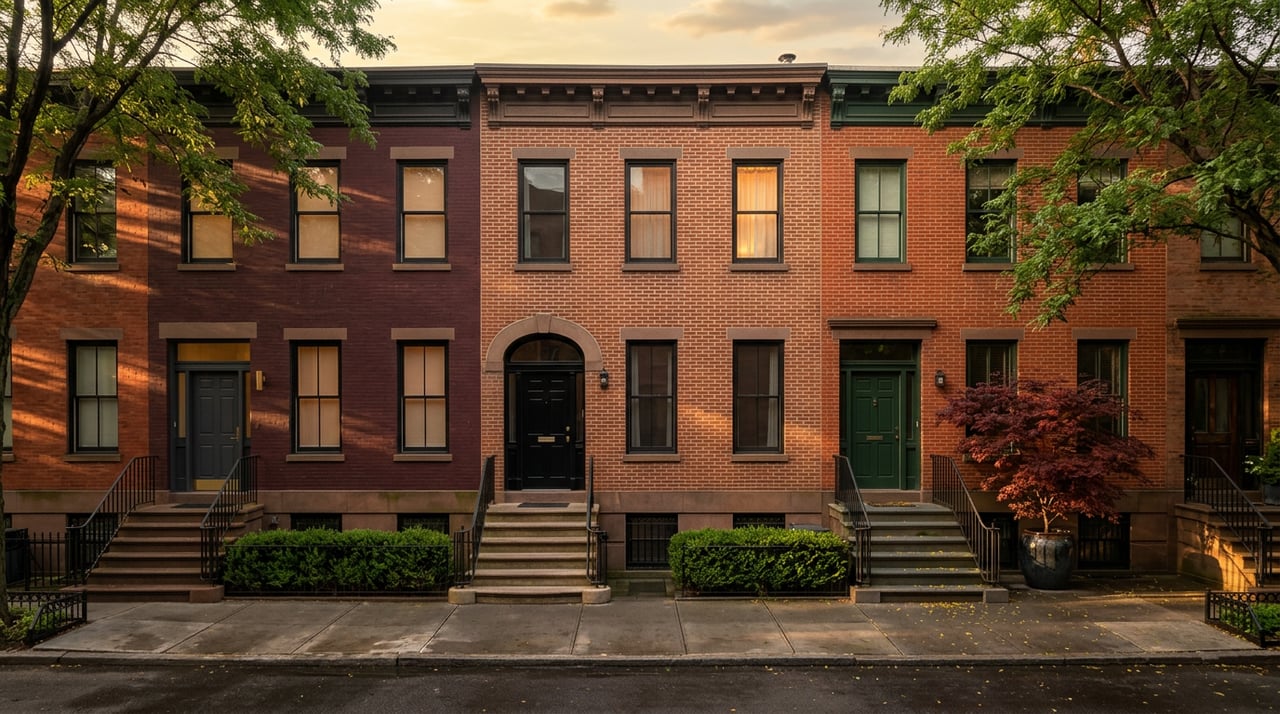
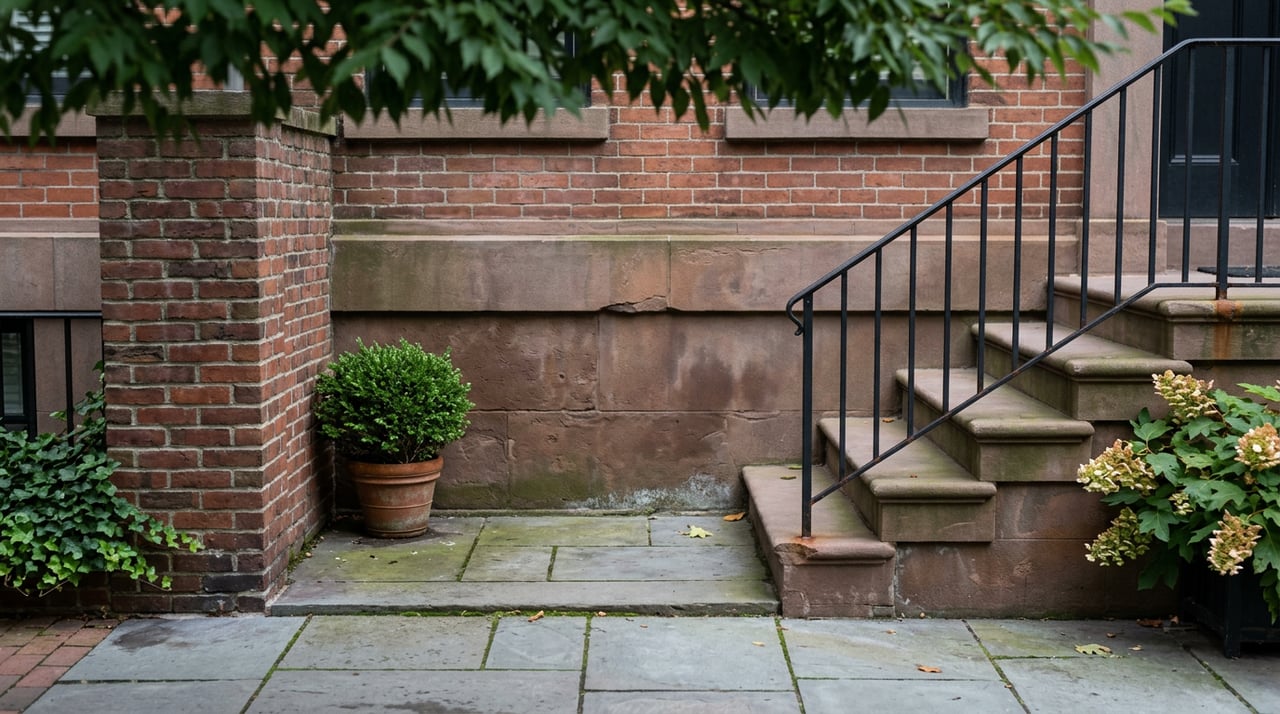
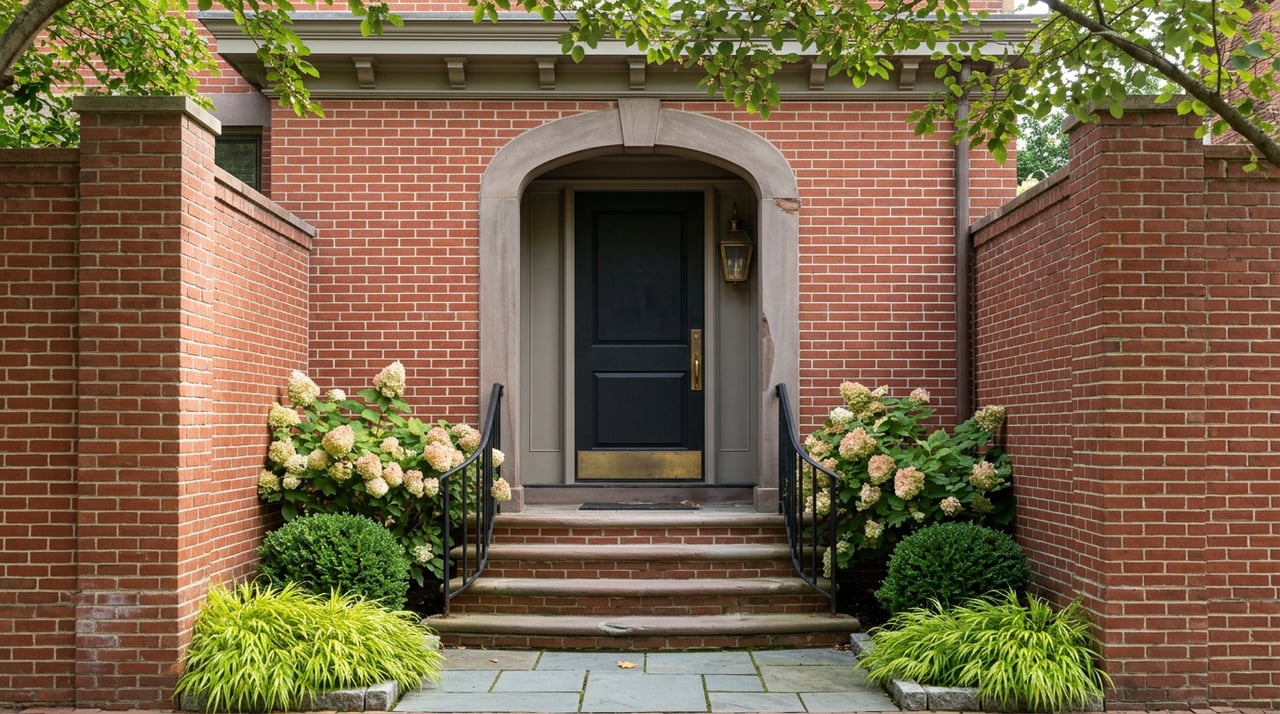
For many buyers, housing will be the biggest decision point. The South End’s housing stock is defined by Victorian townhouses and historic brick town homes, according to the BPDA’s neighborhood profile.
That means family buyers often look at:
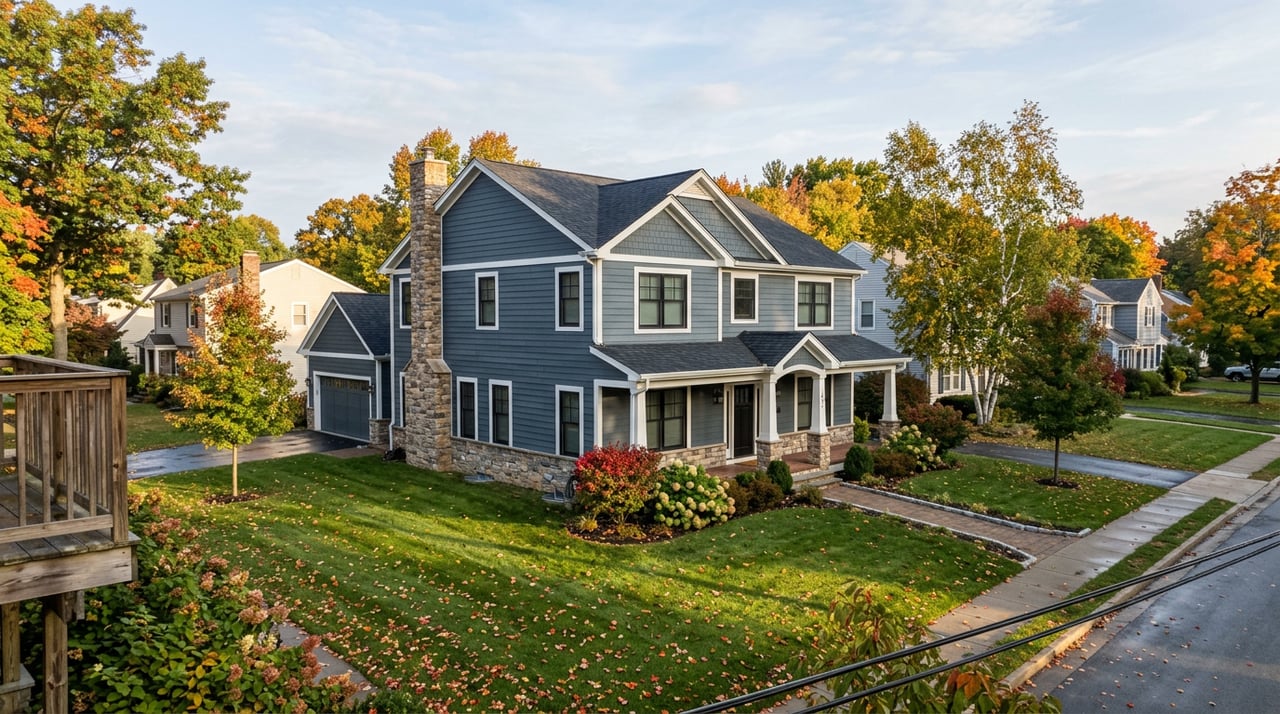
If your ideal setup includes a detached house, a driveway, and a private yard, the South End may feel limiting. If you value central location, walkability, and shared green space over private outdoor space, the neighborhood can make much more sense.
In the South End, family-friendly often looks different from family-friendly in a suburb. It may mean walking to a playground instead of stepping into your backyard. It may mean living on multiple floors in a townhouse or condo rather than spreading out across a larger single-family home.
For some households, that tradeoff feels efficient and energizing. For others, especially those who want more indoor and outdoor space, a suburban move may be the better fit.
Yes, for the right household, the South End can absolutely be family-friendly. It offers a strong park network, regular community programming, public school options, and a walkable urban lifestyle that many Boston buyers actively want.
The main challenges are also clear. Childcare competition is real, and the housing stock does not usually match buyers looking for a conventional single-family setup with more private space.
A good way to think about it is this: the South End works best for families who want city living with built-in neighborhood amenities. If you want playground access, cultural energy, and a central Boston location, it can be a strong fit. If you want more traditional house-and-yard living, you may prefer a different type of neighborhood.
If you’re comparing urban and suburban options in Greater Boston, Alexandra Haueisen can help you weigh the tradeoffs with a research-driven, practical approach tailored to your goals.
Stay up to date on the latest real estate trends.



Whether you're ready to buy, preparing to sell, or simply exploring your next steps in the Greater Boston area, Alexandra is here to help you move forward with clarity and confidence. She offers personalized consultations, market insights, property valuation guidance, and tailored recommendations based on your goals. Reach out today to start a conversation and experience attentive, detail-driven support that leads to meaningful results.