Is your Back Bay condo ready to command a premium? In one of Boston’s most historic and walkable neighborhoods, buyers expect standout presentation, thoughtful updates, and clean building documentation. You want a plan that is efficient, high impact, and aligned with what luxury urban buyers value most. This guide gives you a focused, 30‑day roadmap to prepare, price, and present your home for a top‑tier result. Let’s dive in.
What premium Back Bay buyers notice
Back Bay attracts a broad mix of high‑intent buyers who value instant livability and quality. They respond to high‑caliber finishes, contemporary kitchens and baths, and strong natural light. Reliable amenities like elevator access, doorman or concierge, deeded parking, and on‑site fitness also increase perceived value.
Buyers care about function. Storage solutions, clear unit flow, and private outdoor space are recurring pluses. Just as important, they prize building financial health, adequate reserves, transparent rules, and smooth financing paths. In a design‑forward, historic setting, they will trade some square footage for condition, location, and confidence in the association.
For neighborhood context, Back Bay’s Victorian architecture, signature avenues, and central lifestyle set it apart as a premier Boston market. You can see an overview of the area’s character and planning history from the city’s perspective in the Boston Planning & Development Agency’s Back Bay neighborhood profile.
Your 30‑day pre‑listing plan
A focused plan helps you move fast without missing details.
Weeks 4–3: Align and assess
- Hire your listing agent and set goals, pricing approach, and timing.
- Order a pre‑listing inspection if you want to uncover small repairs before buyers do. A seller inspection can reduce renegotiations; see InterNACHI’s overview of pre‑listing inspections.
- Start gathering your building and HOA documents so buyers and lenders have what they need (see “Gather building and HOA docs”).
Weeks 3–2: Fix, freshen, and stage
- Complete agreed minor repairs, paint touchups, and lighting upgrades.
- Deep clean, declutter, and depersonalize. Clean, neutral spaces maximize photos and showings.
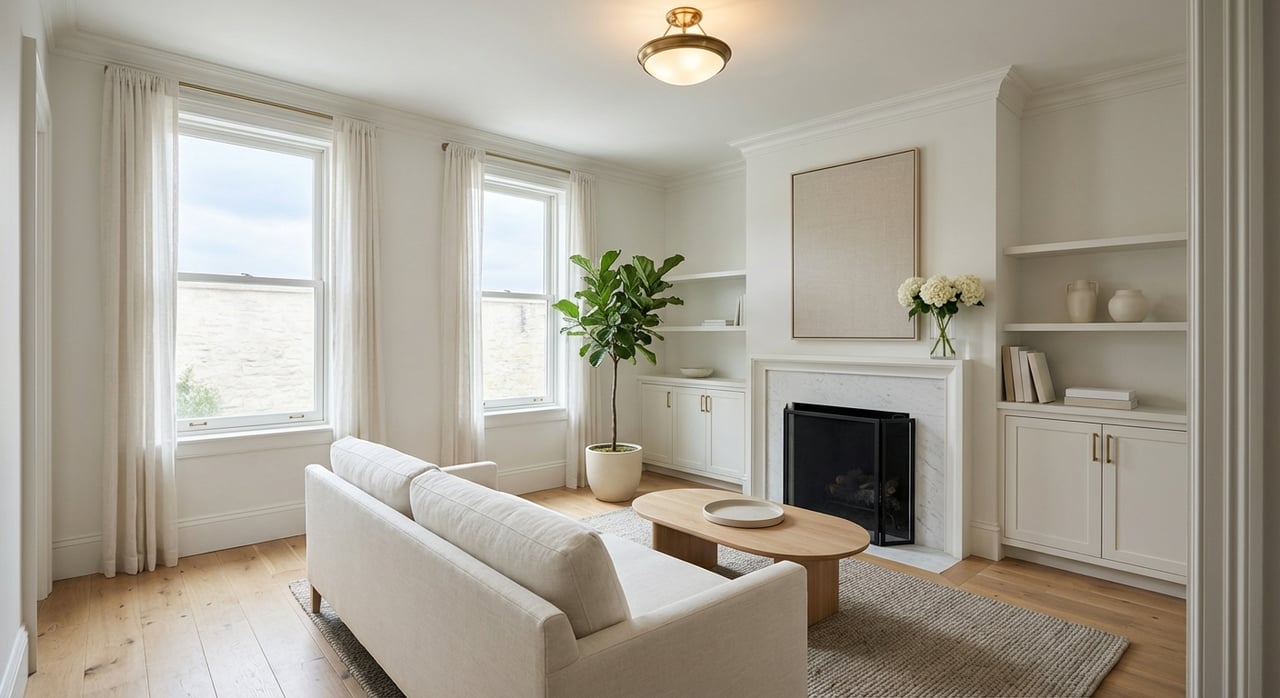
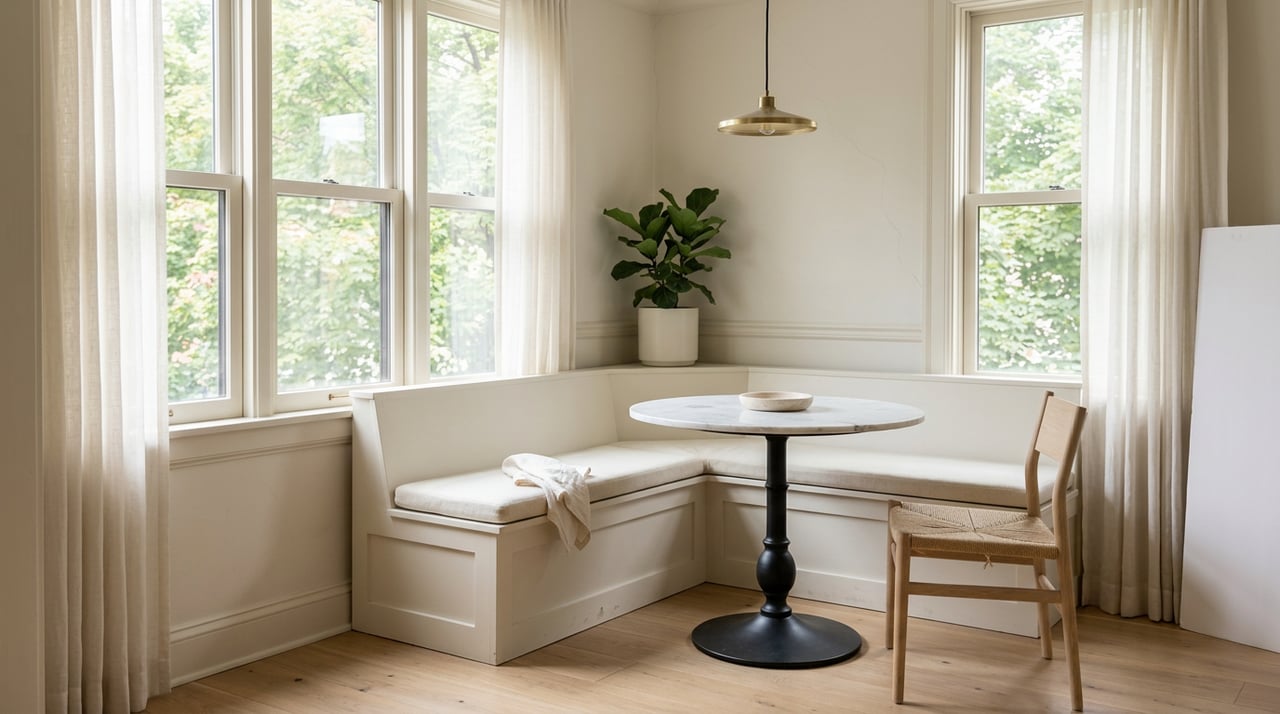
- Engage a stager to create a light, edited look that highlights ceiling height, windows, and architectural detail.
Weeks 2–1: Capture and finalize
- Install staging and finalize styling.
- Book professional photography and request a floor plan and a 3D tour for remote and relocation buyers.
- Confirm listing copy that blends historic character with modern updates and clarity on amenities, assessments, and storage.
Launch week: Go live with a full media kit
- Publish with interior photography, twilight exteriors, a floor plan, and a 3D tour.
- Coordinate targeted outreach to Boston broker networks and qualified buyer agents.
Small upgrades that punch above their cost
You do not need a full renovation to sell at the top of your range. Focus on clean lines, brightness, and function.
- Lighting: Swap in brighter, warm LED bulbs and add under‑cabinet lighting. Layered lighting increases perceived size and quality.
- Paint: Use light, warm neutrals that photograph well and let millwork and windows shine.
- Kitchen refresh: Update hardware, re‑caulk, and improve task lighting. A spotless, functional kitchen reads “move‑in ready.”
- Bathrooms: Regrout or reglaze and replace dated fixtures or vanity hardware. Clean and current beats overly custom.
- Flooring: Refinish worn areas and ensure consistent tone across rooms. Seamless floors make photos stronger.
- Storage: Install simple closet systems or discreet built‑ins. Storage is a frequent pain point in historic units.
Staging has measurable upside. Industry research shows many agents report staging can shorten market time and increase offers, often by 1–10 percent in typical cases. See the latest NAR staging insights summarized here: NAR report on staging benefits.
Honor your historic character
Back Bay buyers appreciate authentic period detail. Preserve and highlight original features like crown moldings, mantels, tall windows, and plasterwork. If any element needs repair, prioritize in‑kind repair or replacement that matches era‑appropriate materials. The Secretary of the Interior’s guidance outlines best practices for historic fabric; review the Standards for the Treatment of Historic Properties for a helpful framework.
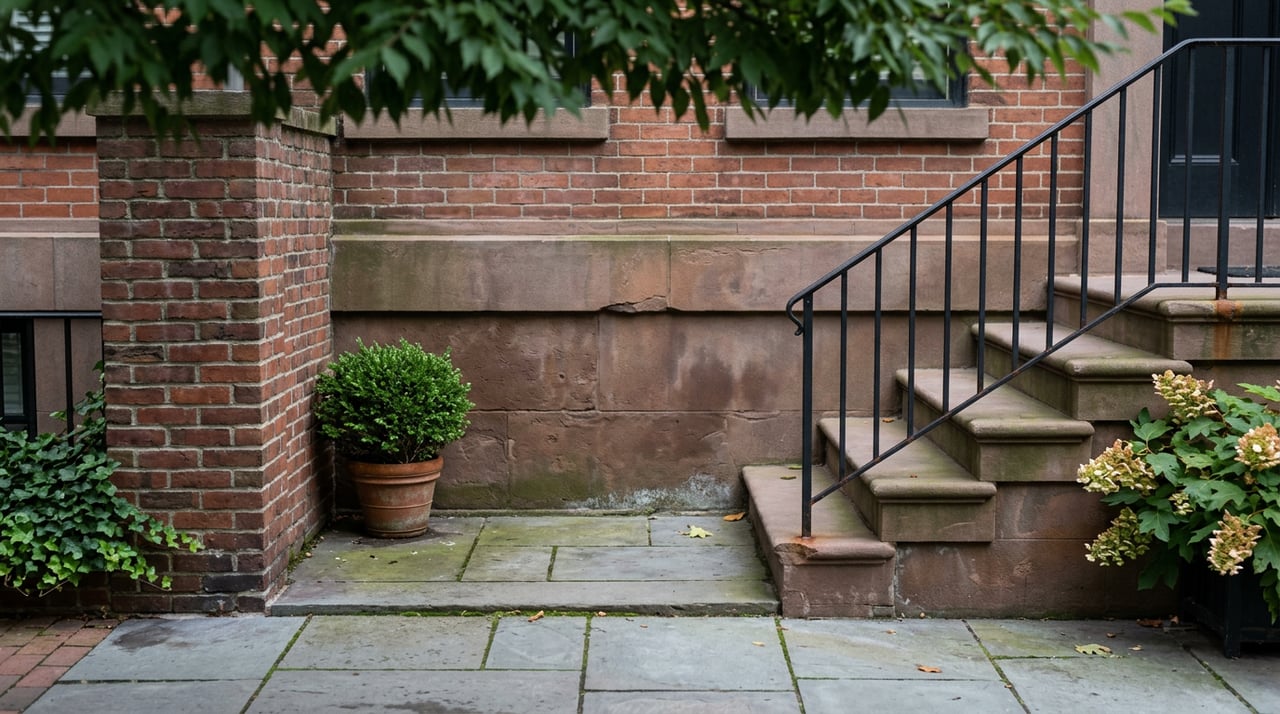
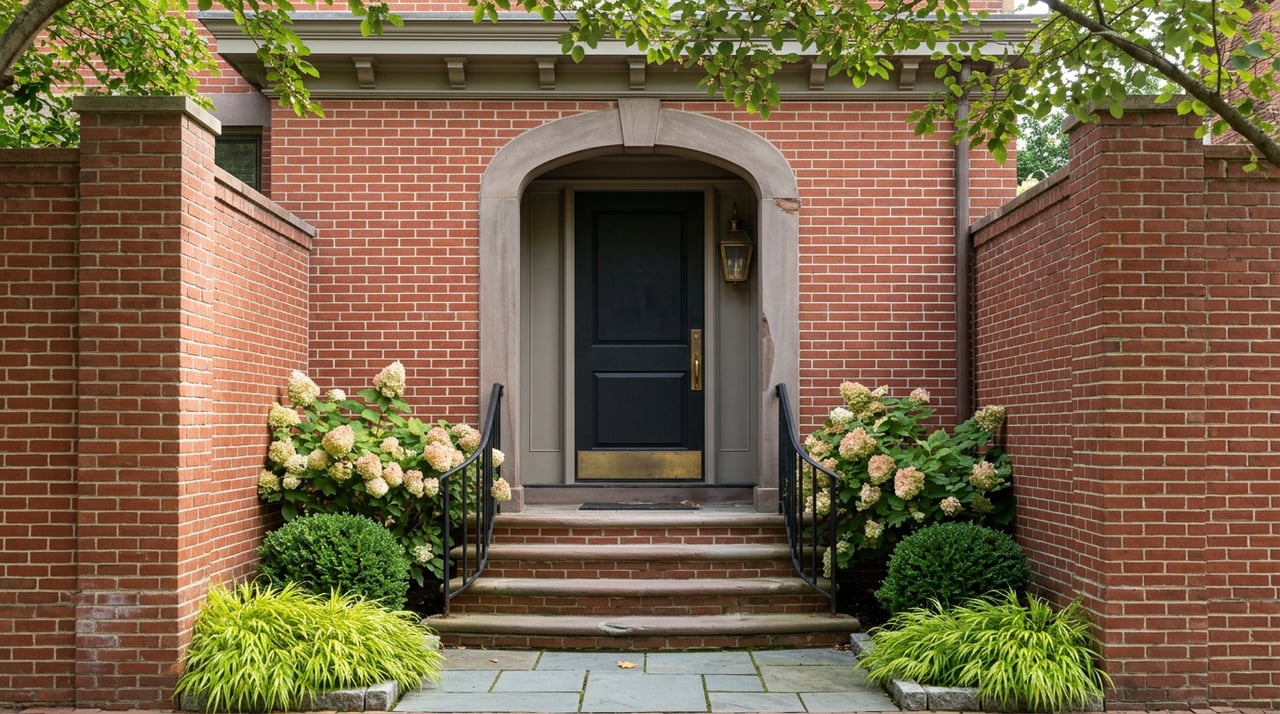
If you plan any exterior‑visible changes to a brownstone or building elements like windows, stoops, or cornices, confirm whether the property sits within the Back Bay Architectural District. Many exterior updates require review and approval, which adds time. See neighborhood specifics in these Back Bay Architectural District FAQs.
Gather building and HOA docs early
Buyers and their lenders will scrutinize your association. Having a clean, current packet ready reduces friction and boosts confidence.
Prepare these items for the buyer’s attorney upon request:
- Master Deed/Declaration of Trust, bylaws, amendments, and rules.
- Current operating budget, year‑to‑date income and expenses, and the most recent reserve study or reserve funding documentation.
- Master insurance declarations page with coverage limits and deductibles.
- Board meeting minutes for the last 6–12 months and clear disclosure of any pending litigation or special assessments.
- The Massachusetts 6D certificate (proof of unpaid common charges) for closing readiness. State guidance on condo documentation is available here: Massachusetts condo information and forms.
Lender warrantability matters. Conventional lending often depends on project eligibility standards that look at reserves, owner‑occupancy, delinquencies, insurance, and litigation. If a building is non‑warrantable, your buyer pool narrows. You can review Fannie Mae’s Project Eligibility Review Service for an overview of documentation and review triggers.
Marketing that moves the needle
A polished media kit is the new baseline for premium urban listings. Online reach drives private showings.
- Professional photography with twilight exteriors helps showcase architectural context like Commonwealth Avenue, the Public Garden, or river views.
- A 3D walk‑through and accurate schematic floor plan help remote and relocation buyers study flow and light. See why luxury listings lean into immersive media in this Matterport guide.
- A concise lifestyle video or slide deck can be effective for broker circulation.
- Listing copy should balance historic charm with modern updates, while clearly stating practical details like deeded parking, storage, HVAC improvements, and recent assessment history.
For budget planning, professional photography packages commonly range by scope and add‑ons like twilight, floor plan, and video. Market providers outline package types and pricing factors in this overview of real estate media services.
Price and show for the right buyer pool
In Back Bay, certain features create outsized value signals. Deeded or guaranteed parking is scarce and can sell for six‑figure sums in Boston’s core neighborhoods. If you have parking, highlight it high and early in your marketing. For context on pricing and scarcity, see this Boston Globe report on exclusive parking in Boston.
Showing strategy matters for premium listings. Consider a broker’s open for neighborhood agents and curated private showings for qualified buyers rather than relying only on large public opens. Keep operations smooth: strict appointment windows, lights on, temperature comfortable, and printed fact sheets with key building stats and the media QR code.
Day‑one meeting checklist
Bring these items and questions to your first strategy session with your agent:
- Unit facts: year, approximate square footage, floor location, deeded parking and storage, and any recent capital improvements or warranties.
- Current condo dues and recent assessment history.
- Building documents you can access: master deed, rules, current budget, last two years’ financials, reserve study (if any), insurance declarations page, and 6–12 months of board minutes.
- Ask for a line‑item pre‑listing budget: staging, paint/repairs, photography, 3D tour, and timeline to list.
- Ask how your agent will market parking, storage, views, and period detail. Request examples of recent premium Boston listings they marketed with full media kits.
Estimated prep costs to expect
Budget ranges vary by scope, but these ballparks help you plan:
- Staging: Partial staging often centers near the low thousands, with full staging ranging higher based on size and furnishing needs. Many agents report strong ROI relative to cost; review the NAR staging report summary.
- Photography and media: Packages that include interiors, twilight, a floor plan, and optional video or 3D tour typically range from a few hundred dollars upward, depending on add‑ons. See a market overview of real estate media services.
- Light updates: Paint, hardware, lighting, and punch‑list repairs can span from modest refresh budgets to several thousand dollars, depending on unit size and scope.
Work with a listing partner who delivers
Premium outcomes come from a methodical plan and flawless execution. You deserve an advisor who blends data, staging leadership, and polished marketing with hands‑on guidance and clear communication. A top‑tier agent will present a written plan, vendor lineup, and a buyer‑ready building package before you ever go live.
If you are planning a Back Bay move, let’s connect about your timeline and goals. With boutique, high‑touch service supported by national reach, you will get a research‑driven plan tailored to your condo, your building, and today’s buyer pool. Start the conversation with Alexandra Haueisen.
FAQs
What adds the most value before listing a Back Bay condo?
- Clean, neutral presentation, layered lighting, and a light refresh of kitchens and baths typically deliver strong visual impact relative to cost, especially when combined with staging and pro photography.
Do I really need staging if I still live in the condo?
- Yes, even light staging and editing can help buyers visualize the space and often shortens days on market and improves offer strength according to industry research.
Which HOA documents do buyers and lenders expect in Massachusetts?
- Prepare the master deed, bylaws, rules, budget and financials, reserve information, insurance declarations, recent board minutes, and be ready to obtain the 6D certificate for closing.
How should I market deeded parking in Back Bay?
- Put it front and center in photos, headlines, and feature lists, since scarcity drives value and can materially widen your buyer pool.
What is a 6D certificate and why does it matter?
- It confirms any unpaid common charges at closing; having management ready to issue it helps you avoid delays and supports a smoother transaction.
How long does pre‑listing preparation usually take?
- Most sellers can complete a high‑impact plan in about four weeks, including small repairs, staging, media capture, and document gathering, with timing adjusted for contractor availability.
Should I do a pre‑listing inspection for a condo?
- It is optional but helpful; finding and fixing small items early can reduce renegotiations and give buyers more confidence in your unit.
How do I handle updates in a historic brownstone building?
- Keep and repair period details where possible, match materials when replacing, and confirm if any exterior‑visible changes require review within the Back Bay Architectural District.