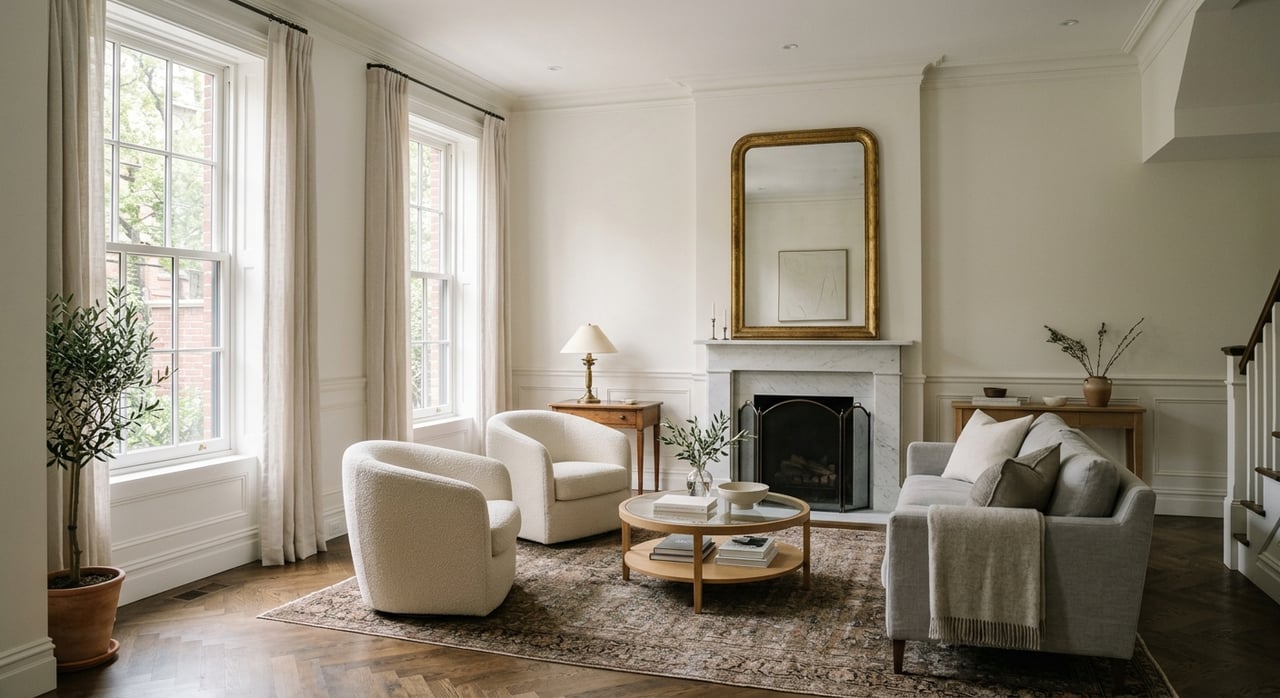
Back Bay Brownstone Or High-Rise? How To Decide
May 28, 2026
May 28, 2026
Trying to choose between a Back Bay brownstone and a high-rise condo? You are not just picking a floor plan or a view. In Back Bay, you are also choosing between two very different ownership experiences shaped by historic rules, shared costs, and day-to-day lifestyle. If you want to make a smart move in one of Boston’s most distinctive neighborhoods, this guide will help you compare the tradeoffs clearly. Let’s dive in.
Back Bay is not a typical luxury neighborhood. It is a protected historic district built on filled land and shaped by deliberate planning, with a mix of residential, commercial, cultural, and institutional uses.
That setting matters because the neighborhood offers two strong but very different ways to live. A classic brownstone can give you a closer connection to Back Bay’s 19th-century streetscape, while a high-rise or luxury condo often offers a more centralized, fee-based ownership structure.
Boston also describes Back Bay as highly block-specific. Side streets can feel quieter and more residential, while corridors like Newbury Street and Boylston Street are more active, walkable, and retail-focused.
Transit is another major part of the appeal. Arlington, Copley, Hynes, and Back Bay Station connect the neighborhood to the Green Line, Orange Line, commuter rail, and Amtrak.
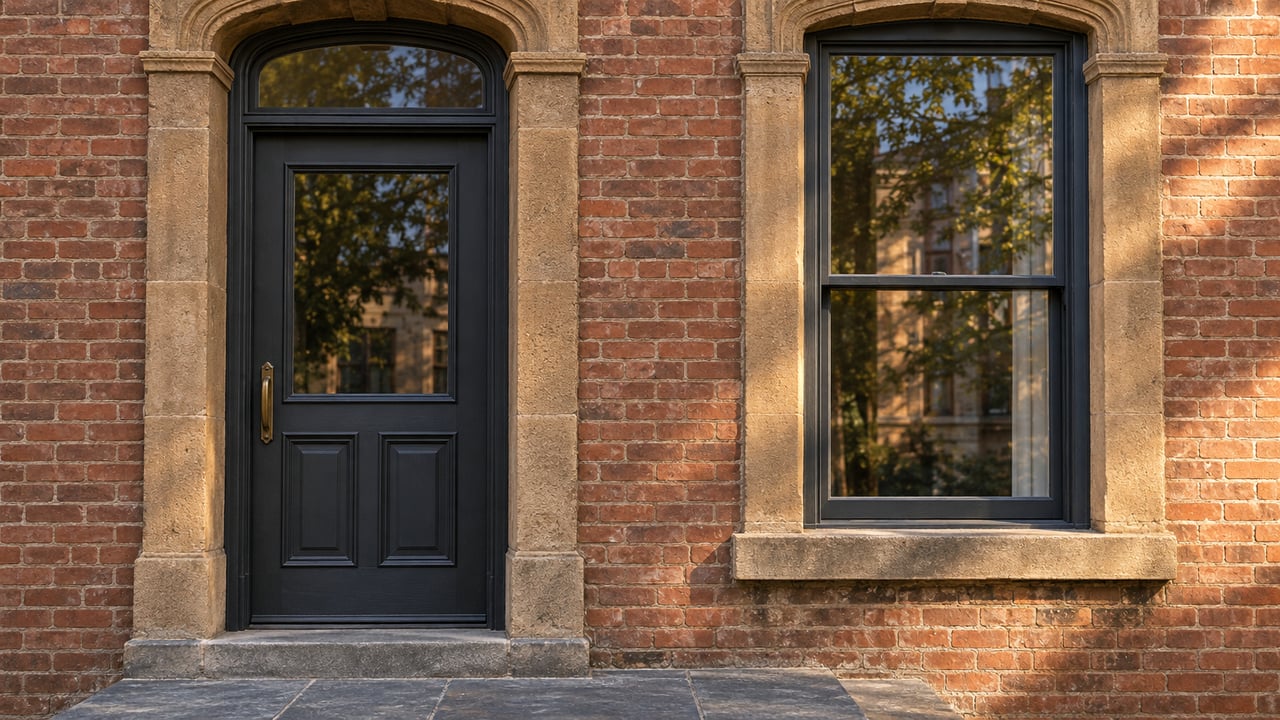
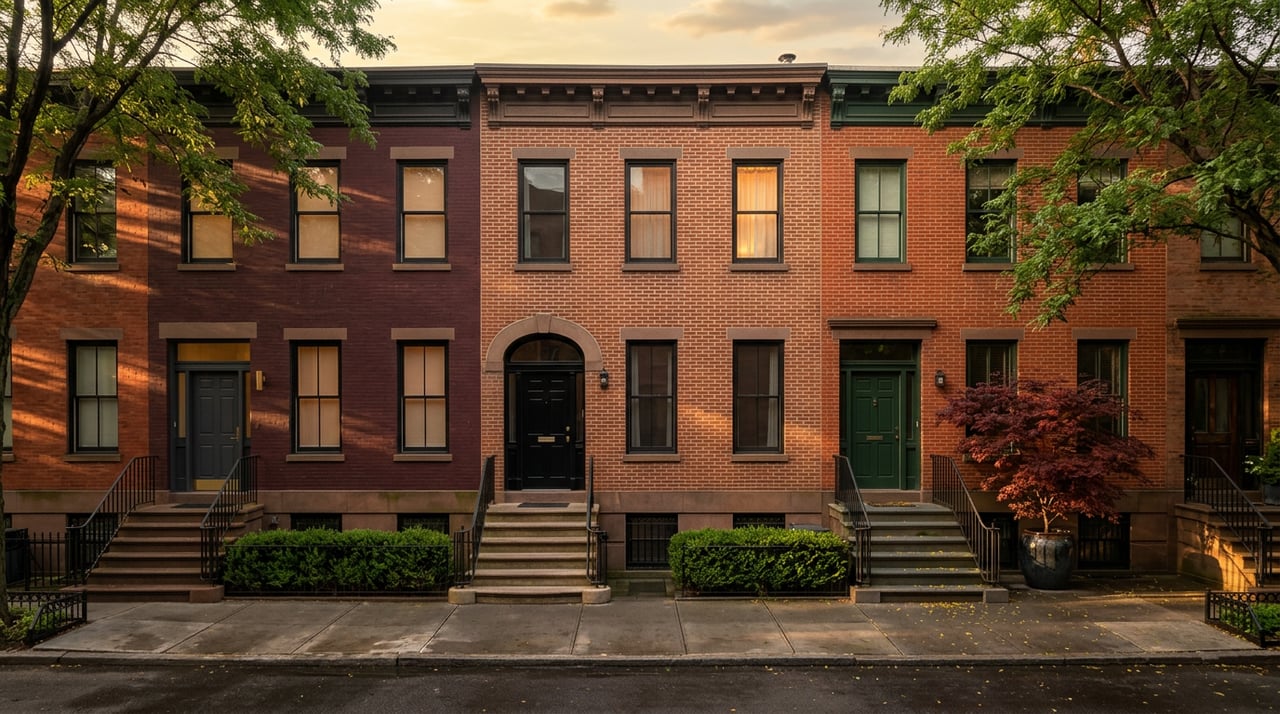
A Back Bay brownstone usually appeals to buyers who want character first. The stoop, facade details, front entry sequence, and parlor-level look are not just attractive features. They are part of a protected historic streetscape.
That creates a living experience that feels intimate and rooted in place. In many cases, you step directly into the rhythm of a residential street instead of entering through a larger shared lobby or management structure.
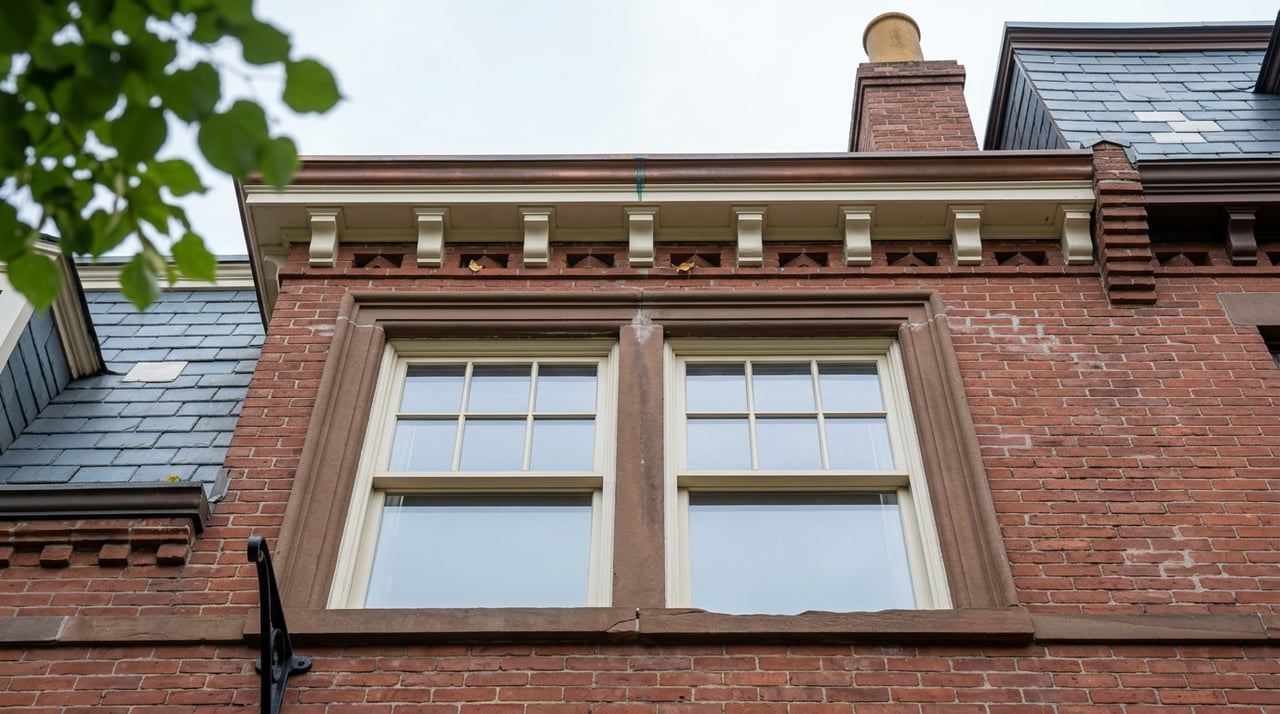
Back Bay’s residential guidelines favor maintaining and repairing historic materials rather than replacing them. They also protect features like vestibules, porticos, porches, stoops, and front steps from alteration, removal, or enclosure.
For you as a buyer, that means the charm is real, but so are the rules. If you love original details and a classic street presence, that can be a major advantage.
Brownstone ownership often comes with less freedom to change the exterior. District rules discourage changes to openings, doors, stoops, masonry details, and certain added features that would obscure architectural detail.
In practical terms, you should expect preservation review to matter. If you are someone who wants to personalize a facade or alter exterior elements easily, a brownstone may feel more restrictive.
Historic rowhouse design can also make accessibility more complicated. The district’s guidance notes that high stoops are architecturally significant, and access solutions often require careful adjustments to grade and threshold conditions.
That does not make a brownstone impossible for every buyer. It simply means you should evaluate access early and carefully if ease of entry is one of your top priorities.
A full-service high-rise or luxury condo usually appeals to buyers who want a more standardized ownership structure. Instead of focusing as much on the exterior shell of one historic building, you are often buying into a more formal association framework with pooled maintenance responsibilities.
That can bring a different kind of predictability. Rather than handling building issues in a smaller owner group, you are typically working within a larger budget, reserve structure, and management process.
In Massachusetts, condominiums are governed through the master deed, deed, bylaws, and Chapter 183A. Condo or HOA dues are usually paid directly to the association and are usually not part of your mortgage payment.
That means monthly dues should be treated as a core carrying cost, not an afterthought. The right question is not just whether the fee feels high. It is what the fee covers, how reserves are funded, and whether the association appears prepared for future repairs.
A larger building usually means more shared systems and more formal budgeting. Massachusetts law requires an adequate reserve fund and places oversight of common-area maintenance and repair with the designated association entity.
For many buyers, that structure is appealing because upkeep is organized through the association rather than handled in a more concentrated way by a small ownership group. If you prefer a professionalized approach to common-area planning, a high-rise may be the better fit.
A newer or mixed-use building is not automatically free from historic oversight in Back Bay. If the property is on commercially zoned segments such as Newbury, Boylston, or Massachusetts Avenue, exterior changes and related work may still fall under review by the Back Bay Architectural District Commission.
That is important because some buyers assume a high-rise means complete exterior flexibility. In Back Bay, location and district rules still matter.
One of the biggest differences between brownstone living and high-rise living is how maintenance costs feel over time. In either case, shared expenses, reserves, and insurance responsibilities deserve close review.
The experience can be very different, though, depending on the size and structure of the association.
In a smaller brownstone association, major work like roof repairs, masonry restoration, window projects, or stoop work may be spread across relatively few owners. Massachusetts condo law allocates common expenses by ownership interest or unit area and requires a replacement reserve fund collected as part of common expenses.
That structure can lead to more owner-visible cost swings. A project that might be diluted across many units in a larger building may feel more concentrated in a small association.
In a larger condo building, expenses are also shared, but they are often supported through a broader dues structure and more formal reserve planning. That does not mean costs are low. It means the budgeting process is usually more centralized.
If you like the idea of paying a substantial monthly fee in exchange for organized maintenance and reserve-backed planning, this model may suit you well. If you prefer lower recurring dues but can tolerate more concentrated project costs, a brownstone may still make sense.
The right fit usually comes down to how you want to live, not just what looks best in photos. Back Bay gives you access to both historic texture and more managed luxury, but most buyers lean clearly one way once they understand the tradeoffs.
Here is a simple way to frame the decision.
No matter which path you prefer, careful due diligence matters in Back Bay. This is especially true because the neighborhood combines luxury pricing, historic oversight, and condo governance.
Before you move forward, ask questions that clarify both your monthly costs and your long-term ownership experience.
Start with the financial structure. You want to understand what the monthly fee covers, how large the reserve fund is, and whether any special assessments are planned.
Those answers can tell you a lot about how the building is run and how future costs may show up.
You should also ask which exterior or structural changes require Back Bay Architectural District Commission approval. That is especially important if you are buying with renovation ideas in mind.
Beyond that, review practical rules on parking, pets, package delivery, and rentals. These day-to-day details shape how comfortably a building fits your routine.
Insurance is another area where clarity matters. Massachusetts notes that unit owners need coverage for items not covered by the master policy, and association agreements may allow additional assessments after a loss.
You should understand exactly how the master policy and your own policy divide responsibility before closing.
In Back Bay, a brownstone and a high-rise can both be excellent choices, but they serve different priorities. A brownstone usually offers more authenticity, stronger street-level character, and a deeper connection to the historic fabric of the neighborhood.
A high-rise or luxury condo usually offers a more centralized management structure, reserve-backed budgeting, and a more standardized ownership experience. Neither option is automatically better. The better choice is the one that matches your tolerance for preservation rules, monthly fees, maintenance style, and the way you want your home to function day to day.
If you are weighing Back Bay options and want a research-driven, clear-eyed view of what fits your goals, Alexandra Haueisen can help you compare buildings, review tradeoffs, and make a confident Boston move.
Stay up to date on the latest real estate trends.
Whether you're ready to buy, preparing to sell, or simply exploring your next steps in the Greater Boston area, Alexandra is here to help you move forward with clarity and confidence. She offers personalized consultations, market insights, property valuation guidance, and tailored recommendations based on your goals. Reach out today to start a conversation and experience attentive, detail-driven support that leads to meaningful results.