
Understanding Condo Fees When Buying In Back Bay
July 16, 2026
July 16, 2026
Buying a condo in Back Bay can feel straightforward until you get to the monthly fee. Then the real question hits: is that number reasonable, or is it a warning sign? If you are comparing brownstones, elevator buildings, and full-service residences in one of Boston’s most established neighborhoods, condo fees can change your monthly budget in a meaningful way. This guide will help you understand what condo fees often cover in Back Bay, why they vary so much, and what to review before you buy. Let’s dive in.
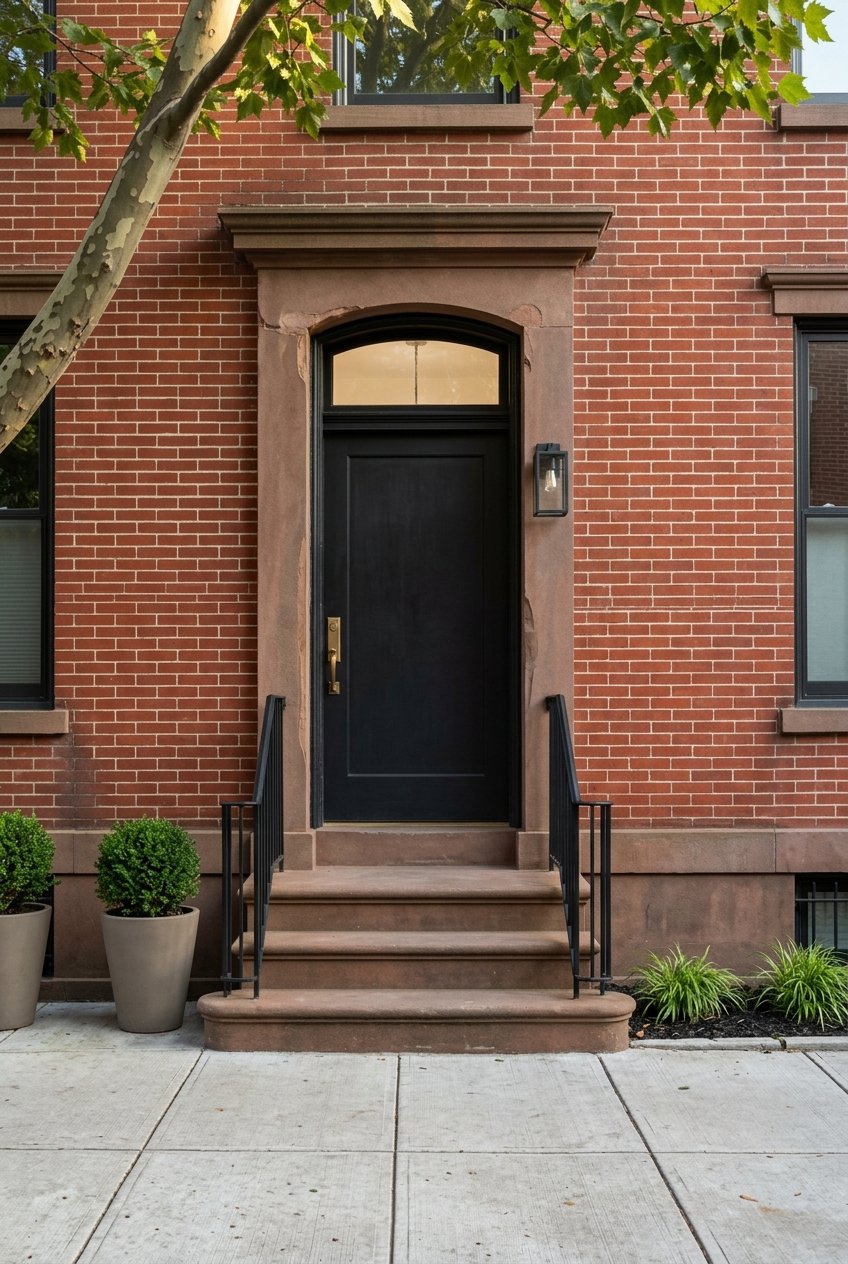
Back Bay is a historic Boston neighborhood along the Charles River near Downtown and the Public Garden, known for Victorian row houses, brick sidewalks, and protected historic character. It is also a market where home prices are high enough that monthly carrying costs deserve close attention.
Recent market data shows a median sale price of about $1.5 million in Back Bay over the last three months. At that price point, the difference between a low monthly fee and a high one can have a real impact on affordability, cash flow, and how a property fits your long-term plans.
In Massachusetts, common expenses are generally the costs of administration, maintenance, repair, or replacement of common areas and facilities. State law also requires condominiums to maintain a separate replacement reserve fund as part of common expenses, kept apart from operating funds.
In practical terms, condo fees often help pay for shared building costs such as exterior upkeep, common-area maintenance, and certain utilities. Depending on the building, the fee may also include water, sewer, trash, insurance, and reserve contributions.
One important budgeting point is simple: condo fees are usually separate from your mortgage payment. When you estimate your monthly cost of ownership, you should treat the condo fee as its own recurring expense alongside your loan payment, property taxes, and insurance.
In Back Bay, the fee is not just about the address. Two condos a few blocks apart can have very different monthly costs because the buildings operate differently and offer very different levels of service.
Recent listing examples show a wide range. One small professionally managed elevator building on Commonwealth Avenue showed a fee of $176 per month, a brownstone on Beacon Street showed $295 per month, and One Charles on Charles Street South showed $1,177.22 per month.
That spread may look dramatic, but it starts to make more sense once you compare what each building includes. Smaller buildings often cover a narrower set of expenses, while larger or more service-heavy buildings may bundle in more utilities, staffing, amenities, and reserve funding.
In smaller Back Bay buildings, the condo fee may be relatively modest because the building has fewer common systems, fewer staff-related costs, and fewer amenities. In some current examples, the fee covered items like heat, water, sewer, insurance, building and grounds maintenance, snow removal, and hot water.
That can be appealing if you want lower monthly overhead. Still, a lower fee does not automatically mean a better value. It may simply mean the building provides fewer services or has a narrower expense structure.
A professionally managed building may carry higher monthly fees than a simple self-contained brownstone conversion. Elevators, expanded common areas, and more involved building operations usually add ongoing cost.
Even if amenities are limited, management structure alone can change the monthly number. That is why it helps to compare not just the fee amount, but the building’s systems, staffing, and maintenance responsibilities.
At the full-service end of the market, the monthly fee often reflects a much broader package. At One Charles, for example, the listed fee covered heat, gas, water, sewer, insurance, security, maintenance, snow removal, trash, air conditioning, and reserve funds, along with amenities such as an elevator, fitness center, clubroom, and garden area.
The Somerset at 416 Commonwealth is another example of the higher-service model. The building advertises a full-time concierge, on-site management, a pool, fitness center, elevators, and fee coverage including water, sewer, insurance, security, grounds maintenance, snow removal, trash, and reserves.
A higher condo fee can sometimes reduce other out-of-pocket costs or simplify your monthly planning. If the building includes heat, hot water, water, sewer, trash, insurance-related building expenses, security, or on-site management, you may be paying more each month but getting more certainty and convenience in return.
That does not mean every high fee is justified. It simply means the number should be judged in context. In Back Bay especially, a high fee may reflect staffing, utility inclusions, amenity level, building size, and reserve funding rather than just an inflated operating cost.
A lower monthly fee can be attractive at first glance, especially when you are already balancing price, taxes, and financing. But a low fee deserves just as much scrutiny as a high one.
It may mean the building covers only basic shared expenses. It may also mean reserve contributions are leaner, which could matter later if the building faces larger repair needs.
Back Bay is a protected historic district, and that matters when you think about future building work. Proposed exterior work must be approved by the district commission before it begins.
For buyers, that makes it especially important to ask whether exterior projects are being discussed or planned. In a historic neighborhood with older building stock, common-area repairs can be more involved, and the approval process can affect timing and scope.
When you review a Back Bay condo, focus on the fee details, the building’s financial health, and the chance of future costs. A smart due diligence process can help you avoid surprises.
Start with the basics and get specific. Ask whether the condo fee includes:
Back Bay listings show that these items can be bundled very differently from one building to another. Two similar-looking condos can come with very different monthly responsibilities.
Massachusetts law requires a replacement reserve fund, so reserve planning should be part of your review. Ask how healthy the reserves are and whether there is a current reserve study or budget packet available.
A building with stronger reserves may be better positioned for future repairs and replacements. That does not eliminate risk, but it can give you a clearer picture of how the association plans ahead.
Special assessments can change the cost of ownership quickly. Ask whether any assessments are pending, recently discussed, or likely in the near future.
This is one of the most important questions you can ask in an older and architecturally significant neighborhood. Exterior repairs, common system work, and larger capital projects can all affect your budget after closing.
Your lender may review the condominium project itself, not just your personal finances. That review can involve the building’s physical condition, financial stability, lawsuits, structural-debt issues, or required inspections.
If you are serious about a unit, ask early whether there are any known financing concerns tied to the building. It is much better to learn that upfront than late in the transaction.
Buyers usually have a limited time to review condo documents after an offer is accepted. That is why it helps to request and review the budget, bylaws, insurance information, and any available financial materials as early as possible.
A careful document review can tell you much more than the monthly fee alone. It can show how the building operates, what risks may be ahead, and whether the fee supports the property well.
When you compare two Back Bay condos, avoid treating the lowest fee as the automatic winner. Instead, compare the total ownership picture.
Look at what the fee covers, what utilities you would still pay separately, whether the building has staff or amenities, how reserves are funded, and whether major projects may be coming. That approach gives you a more accurate sense of value.
A simple way to think about it is this: a condo fee is only meaningful when paired with what you get for it. In Back Bay, the better question is rarely “Is this fee high?” The better question is “What does this fee cover, and what costs could still be ahead?”
Back Bay condo fees should be judged in context, not by dollar amount alone. A lower fee may reflect fewer services or narrower expense coverage, while a higher fee may reflect utilities, staffing, amenities, and stronger reserve funding.
If you are buying in Back Bay, your goal is not just to find the right unit. It is to understand the building behind it. With careful review, you can make a more confident decision about monthly cost, long-term value, and the kind of ownership experience you want.
If you want a clear, research-driven approach to comparing Back Bay condos, Alexandra Haueisen can help you evaluate the numbers, the building, and the bigger picture before you buy.
Stay up to date on the latest real estate trends.





Whether you're ready to buy, preparing to sell, or simply exploring your next steps in the Greater Boston area, Alexandra is here to help you move forward with clarity and confidence. She offers personalized consultations, market insights, property valuation guidance, and tailored recommendations based on your goals. Reach out today to start a conversation and experience attentive, detail-driven support that leads to meaningful results.