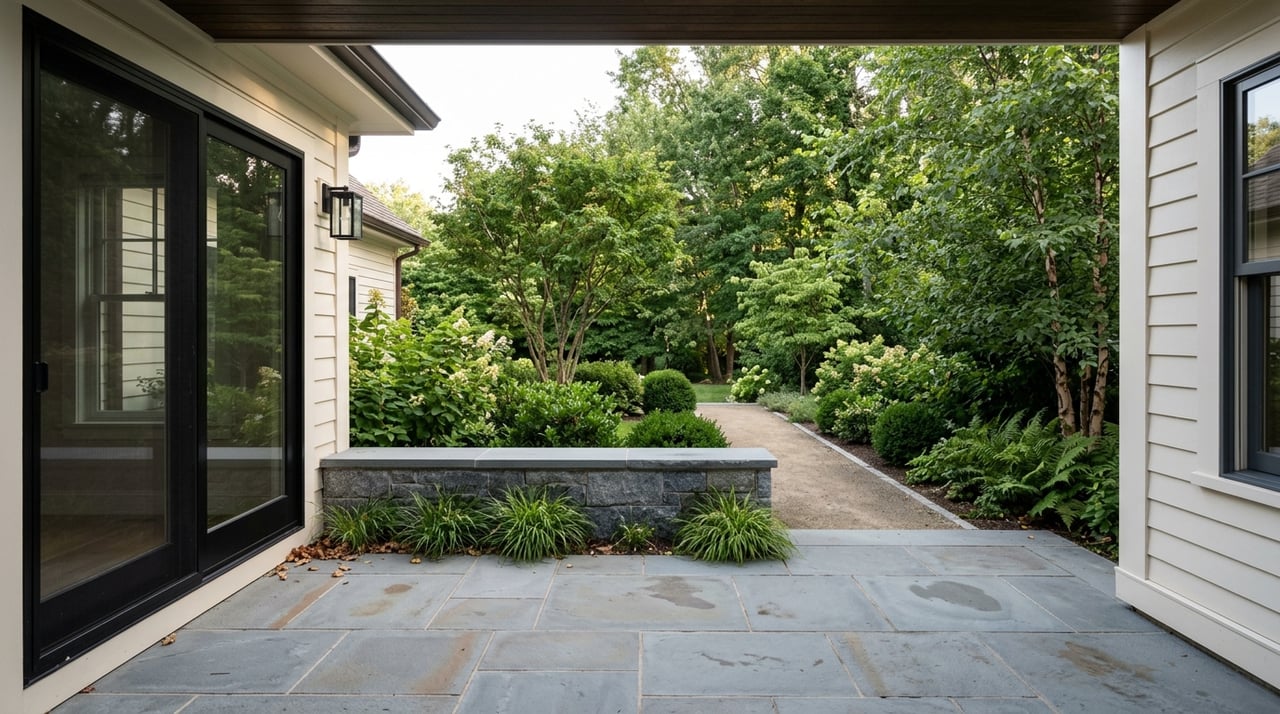
Living By The Charles: A Watertown Lifestyle Guide
June 11, 2026
June 11, 2026
If you want a home base that feels connected to both nature and Greater Boston, living near the Charles in Watertown deserves a close look. You may be trying to balance outdoor access, practical commuting, and the kind of daily routine that feels easy instead of rushed. This guide walks you through what river-adjacent life in Watertown actually looks like, from trails and local business districts to housing mix and transportation. Let’s dive in.
Watertown is a compact city of about 4.1 square miles, and the Charles River forms most of its southern edge. That small footprint matters because it helps daily life feel connected. You are never too far from parks, business districts, or river access.
The city also presents itself around open space, sustainability, local history, farmers’ markets, and an active arts scene. In practice, that gives river-adjacent living more depth than just scenic views. You get a setting shaped by public spaces, local events, and a strong sense of community rhythm.
Watertown also reflects notable cultural diversity, including one of the country’s largest Armenian diaspora communities. For buyers and renters, that can add to the city’s broader identity and everyday character. It is part of what makes Watertown feel distinct within the inner-ring suburbs.
Living by the Charles in Watertown is less about a single waterfront strip and more about access to a larger recreation network. The river corridor connects you to walking routes, biking paths, picnic areas, and green space that extend beyond city lines. That can make your neighborhood feel bigger than its map suggests.
The Upper Charles River Reservation runs from the Watertown Dam to Riverdale Park and includes sections through Watertown. The state notes that restored native plantings have helped bring birds and wildlife back to the riverbanks. That means the river edge offers not just movement and recreation, but also a quieter natural backdrop.
The broader Charles River Reservation spans about 20 miles and includes bike paths, boating, sports fields, playgrounds, and picnic areas. If you enjoy active weekends or regular outdoor exercise, this is one of Watertown’s strongest lifestyle advantages. You are not limited to a short local trail.
For more casual use, Watertown Riverfront Park and Braille Trail adds a smaller-scale option along the river. This 0.25-mile stone-dust loop sits within a sensory garden at Charles River Road and Irving Street. It is a good example of how the riverfront can work for quick walks as well as longer outings.
This kind of access can shape your routine in simple ways. A short morning walk, an after-dinner stroll, or a weekend bike ride becomes easier when the infrastructure is already there. For many buyers, that everyday usability matters more than having a dramatic waterfront address.
Watertown’s outdoor story is not limited to the riverbank. The city’s Community Path project is designed to connect School and Arsenal streets through Watertown Square to Pleasant and Howard near the Charles River. The larger goal is to link the Minuteman Bikeway with the Charles River Reservation Path.
Parts of that path are already built, while other segments remain in planning. Even in its current form, the project shows how Watertown is thinking about mobility and access. Over time, this kind of network can make it easier to move through town without relying on a car for every short trip.
The city also points to more than 10 miles of bike and pedestrian paths, along with Bluebikes stations. If you like to mix walking, biking, and transit, Watertown offers options that support that lifestyle. For many people, that flexibility is a major part of the appeal.
A lifestyle guide is not just about parks and paths. It is also about where you grab coffee, run errands, and spend a Saturday afternoon. In Watertown, that rhythm tends to center on neighborhood business districts rather than one large shopping destination.
Watertown Square remains the city’s traditional downtown, with shops and the library at its core. The city’s 2024 Watertown Square Area Plan is focused on creating livelier public spaces, safer walking, biking, and transit streets, better access to the Charles River, and more housing options. That tells you a lot about the city’s priorities going forward.
The study area for that plan is substantial, covering 167 acres from Main Street to the Newton line and east along Arsenal and North Beacon. For anyone thinking about long-term value and livability, that matters. Public investment and planning can help shape how a district functions over time.
Coolidge Square offers another window into day-to-day life in Watertown. A city-sponsored promotion highlighted local businesses and included stops such as Uncommon Grounds, Cha Yen Thai Cookery, and Dunkin'. That mix suggests a neighborhood pattern built around practical stops and independent businesses.
Pleasant Street and Arsenal Street also serve as commercial clusters. Depending on where you live, these corridors may become part of your regular routine for errands, coffee, or dining. In a compact city, those small conveniences can have a big impact on quality of life.
Watertown’s official community calendar points to recurring events like the Farmers’ Market, Arts Market, Porchfest, and public art installations. These events help define the city’s social rhythm. They create ways to experience public space beyond just passing through it.
If you are moving from a denser urban neighborhood, Watertown can feel a bit more spacious while still offering activity and local engagement. If you are coming from a quieter suburb, it may feel more connected and walkable. That middle ground is part of what draws people in.
One reason Watertown appeals to so many buyers is that it combines neighborhood feel with strong regional access. The city notes that MBTA bus routes 70, 71, and 73 connect Watertown to Red Line stations at Harvard Square and Central Square. Express buses also run from Watertown Square to Back Bay and the Financial District.
For some commuters, that means you can reach Cambridge or Boston without driving every day. For others, it means you have options, which is often just as important. A flexible commute can make a home work better over the long term.
Transportation Management Association shuttles also connect Harvard Square to commercial areas along Pleasant Street and Arsenal Street. This supports workers and residents moving between business districts and transit hubs. It adds another layer to Watertown’s practical convenience.
If you drive, Watertown also sits near I-90 and U.S. Routes 3 and 20. That helps tie the city into the larger Greater Boston travel pattern. Whether your routine points toward Cambridge, Boston, or nearby suburbs, location is one of Watertown’s clearest strengths.
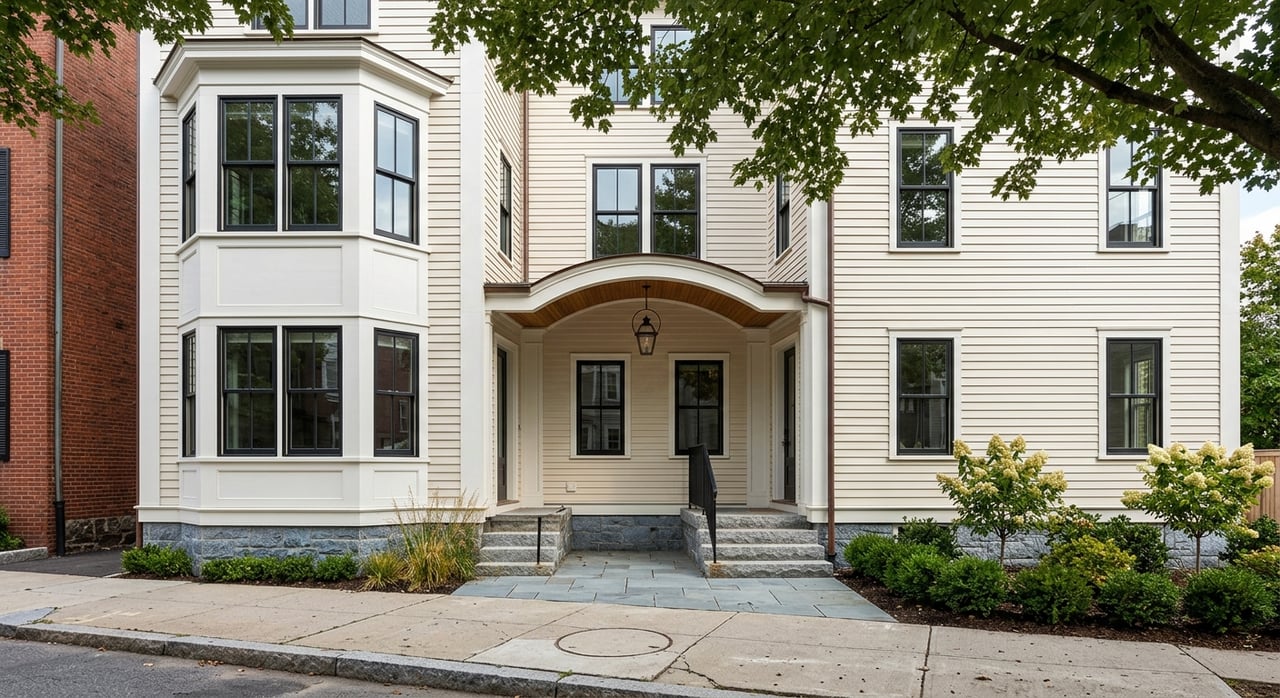
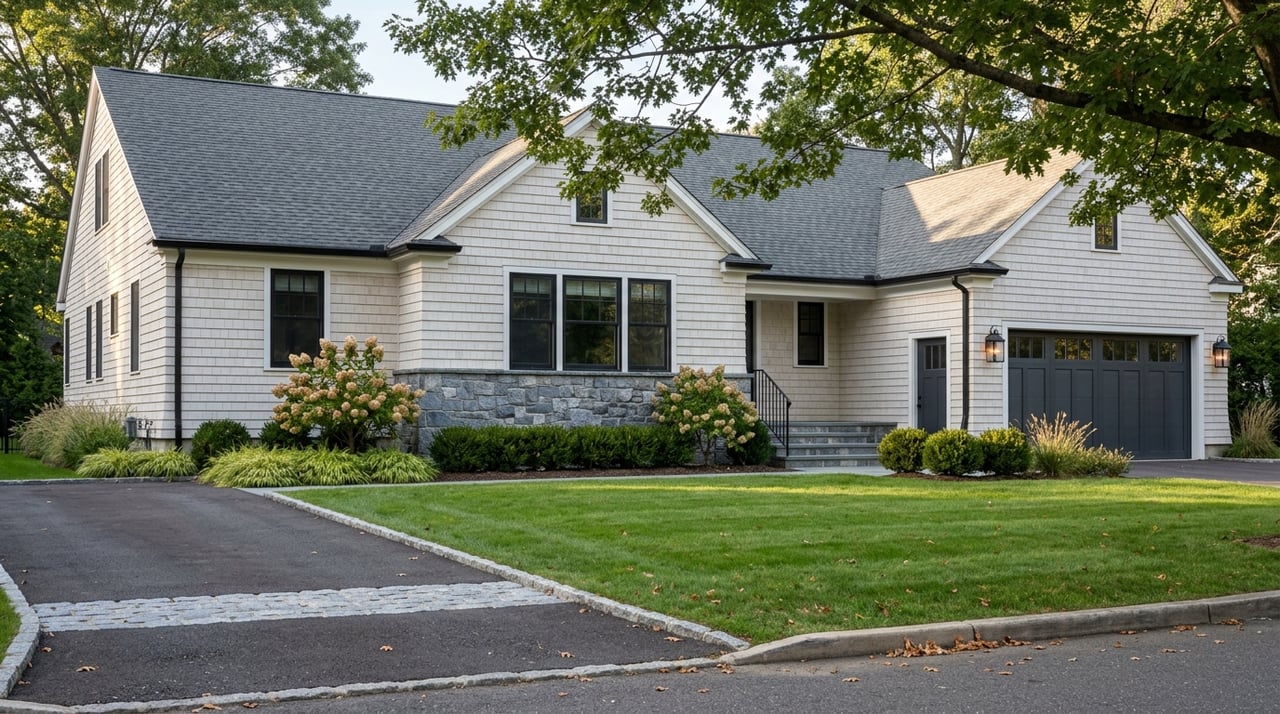
Watertown’s housing stock is more varied than many nearby suburbs, and that is important if you are trying to match a home to your budget and lifestyle. According to the city’s housing production plan, roughly a third of units were in single-family structures, more than a third were in two-family structures, and the rest were mostly multifamily. Most post-2000 construction had been multifamily.
The same plan described Watertown’s housing stock as older than many surrounding communities. More than 55% of units were built before 1940, while only about 2% were built after 2000. That often translates into a mix of older homes, two-family properties, and larger multifamily buildings rather than a single dominant housing type.
For you as a buyer, this can be a plus. A more varied housing stock usually means more than one way to enter the market. It can also create choices between classic older properties and newer multifamily options, depending on your priorities.
Census QuickFacts reports a 47.7% owner-occupied housing unit rate in Watertown and a median owner-occupied value of $784,600 for 2020 through 2024. The city’s 2020 population was 35,329. These figures help frame Watertown as an established, in-demand market within Greater Boston.
Current zoning policy may also shape future housing supply. Watertown says it adopted MBTA Communities-compliant zoning in November 2024, and the Commonwealth issued a compliance determination in April 2025. The city also notes that required zoning for 1,701 multifamily units does not mean all of those units must be built.
For buyers and sellers, that is useful context. It suggests that change in Watertown may come through planning and zoning capacity over time, not all at once. In markets like this, understanding the local housing mix and neighborhood patterns becomes especially valuable.
Watertown-by-the-Charles tends to appeal to people looking for a compact, amenity-rich setting with practical access to Cambridge and Boston. You may appreciate it if you want trail access, neighborhood business districts, and a housing mix that offers more variety than many suburban markets. It can also be a strong fit if you want a location that supports both daily convenience and weekend recreation.
For first-time buyers, Watertown can be appealing because the city offers multiple housing formats and strong regional connections. For move-up buyers, the draw may be the balance of outdoor access and commuting convenience. For relocating clients, especially those trying to learn Greater Boston quickly, Watertown is often easier to understand than a larger or more fragmented market.
A lifestyle match is only part of a real estate decision. You also need to understand how a specific block, building type, or commuting pattern fits your goals. In a place like Watertown, small differences in location can change how often you use the river paths, how easily you reach Watertown Square, or what your daily routine feels like.
That is where a research-driven approach helps. If you are buying, you want clear insight into housing types, neighborhood patterns, and practical tradeoffs. If you are selling, you want thoughtful positioning that highlights how your home connects to the lifestyle buyers are looking for.
Whether you are relocating, buying your first home, or planning your next move within Greater Boston, Watertown offers a lot to consider. If you want strategic, highly personalized guidance on Watertown and nearby markets, reach out to Alexandra Haueisen for expert support tailored to your goals.
Stay up to date on the latest real estate trends.



Whether you're ready to buy, preparing to sell, or simply exploring your next steps in the Greater Boston area, Alexandra is here to help you move forward with clarity and confidence. She offers personalized consultations, market insights, property valuation guidance, and tailored recommendations based on your goals. Reach out today to start a conversation and experience attentive, detail-driven support that leads to meaningful results.