South End For Food And Arts Lovers: An Overview
June 4, 2026
June 4, 2026
If you want a Boston neighborhood where brunch can turn into gallery browsing, a park stroll, and dinner without ever feeling like you planned a big outing, the South End deserves a close look. For many buyers, renters, and relocators, the appeal is not just one great restaurant or one pretty block. It is the way food, art, historic architecture, and everyday walkability all come together. In this guide, you’ll get a clear feel for what makes the South End stand out and what daily life here can actually look like. Let’s dive in.
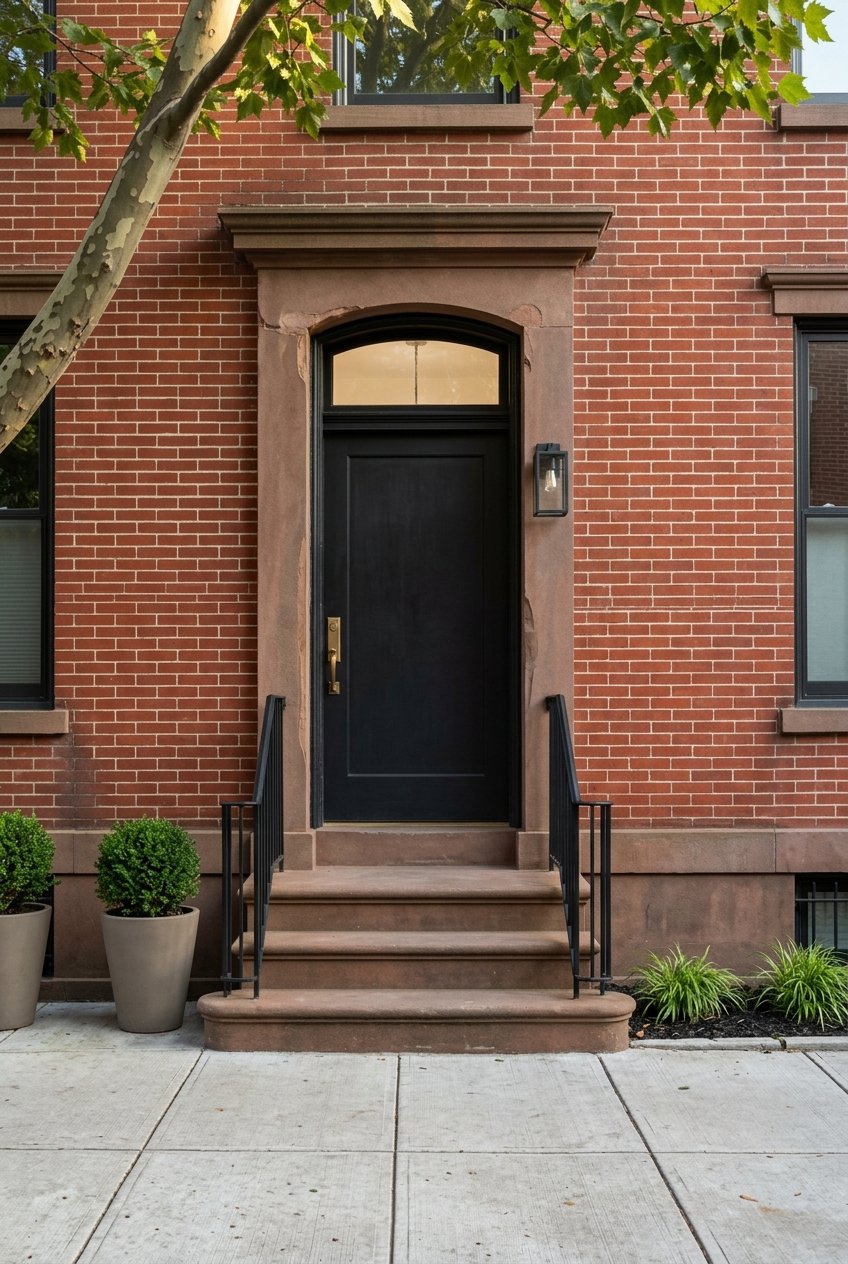
The South End sits just south of Back Bay and is one of Boston’s most recognizable central neighborhoods. Boston planning sources describe it as an elegant residential area built on former tidal flats in the mid-1800s, with a regular street grid, Victorian townhouses, and many small parks. The neighborhood is also described as the largest Victorian residential district in the United States.
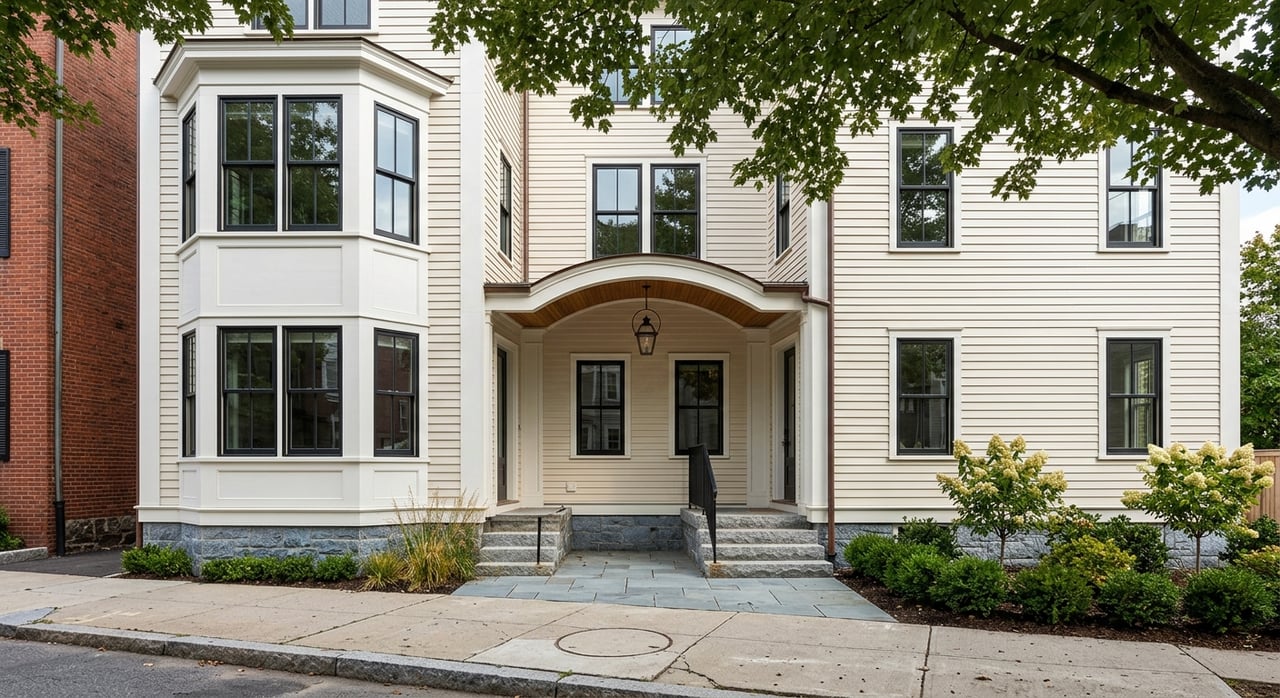
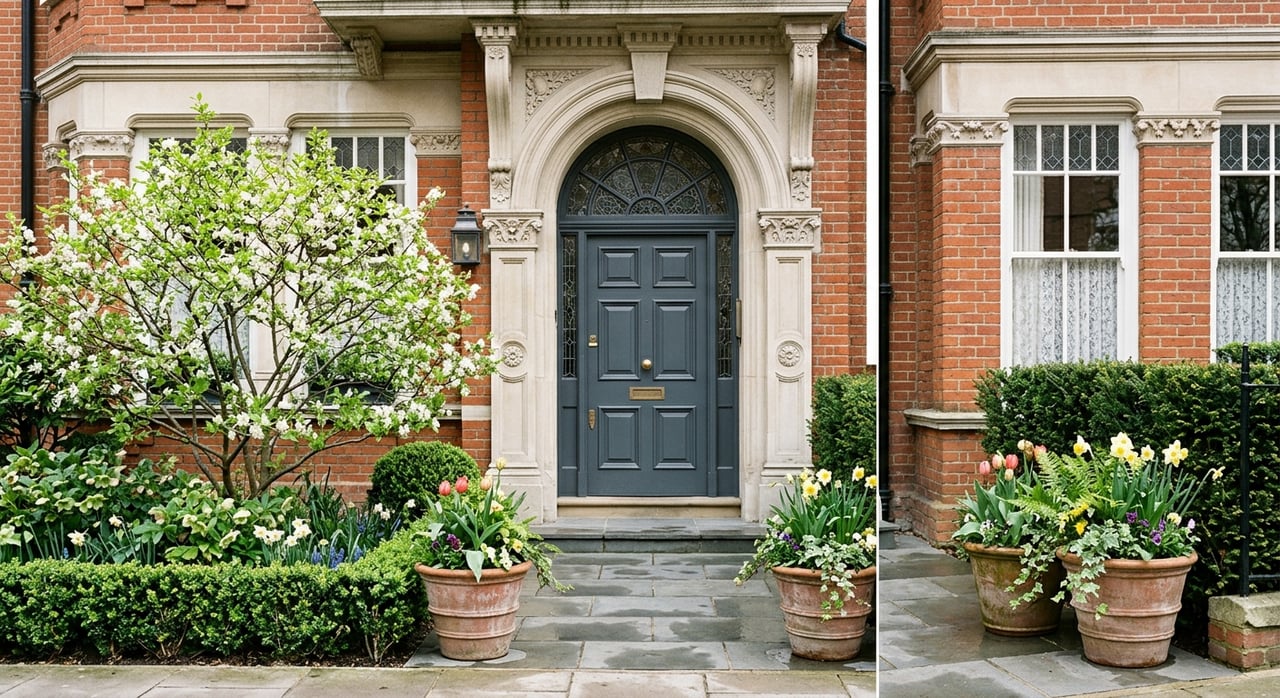
That history still shapes how the area feels today. You will notice long rows of brick townhomes, brownstones, and tree-lined streets, but the South End is not frozen in time. Planning materials also point to a mix of historic homes, publicly funded housing, and warehouse conversions in SoWa, which gives the neighborhood a layered, lived-in character.
For someone considering a move here, that mix matters. The South End can feel polished and architectural, but also active and practical. It is a neighborhood where residential streets and busy commercial corridors sit close together, which helps explain why so many people connect it with both culture and convenience.
One of the South End’s biggest draws is how naturally dining fits into the neighborhood’s daily rhythm. Boston notes that Tremont Street, Columbus Avenue, and Massachusetts Avenue are major streets in the area, with Tremont especially known as Restaurant Row. Shawmut Avenue also adds to the experience with boutiques and restaurants that support a lively street scene.
This matters because the food culture here is not limited to special occasions. Restaurants, bars, galleries, and boutiques line parts of Tremont and Washington Streets, helping the neighborhood stay active throughout the day and evening. In practical terms, that means grabbing coffee, meeting friends for dinner, or picking up something casual can feel built into your routine.
The South End also benefits from a broader local business ecosystem. Neighborhood business directories place food and restaurant businesses alongside arts organizations, shopping, and everyday services. That blend gives the area a more complete feel than a neighborhood built around one entertainment strip.
If you are exploring the South End with a lifestyle lens, these corridors help define the experience:
SoWa gives the South End a slightly different texture. Instead of only historic rowhouses and classic streetscapes, you also get reclaimed warehouse buildings filled with restaurants, galleries, artist studios, home decor showrooms, and boutiques. That mix makes SoWa especially appealing if you like neighborhoods where browsing and dining overlap.
Sunday is one of the clearest examples of that energy. SoWa describes the district as especially active when artisans, designers, farmers, and shop owners are all part of the scene. For you, that can mean an easy weekend routine that starts with coffee and ends with shopping, art, or a relaxed meal.
The SoWa Open Market is a major part of that pattern. It is described as one of Boston’s largest open-air farmer and artist markets, with local and regional vendors, food and beverage trucks, and a pedestrian-only setting on Thayer Street. The current season runs on Sundays from May 3 to November 15, from 11 a.m. to 5 p.m., and admission is free.
The South End is not just a place where you can go see art once in a while. It is a neighborhood where art is made, performed, and shown throughout the year. That distinction gives the area a creative identity that feels deeper than a simple entertainment district.
A major anchor is the Boston Center for the Arts. The organization says it opened to the public in 1970 and supports working artists creating, performing, and exhibiting new work from its historic South End location. Venues such as the Cyclorama and Mills Gallery help make the arts presence visible and ongoing.
The neighborhood also has recurring events that make art feel accessible. South End Open Studios, produced since 1986, now spans four studio buildings and more than 200 artists, with free public access. For 2026, the event is scheduled for September 19 and 20 from 11 a.m. to 5 p.m.
That annual event is only part of the picture. The SoWa Artists Guild also hosts regular open-studio opportunities, including First Fridays, when more than 80 artists open their studio doors, along with Sunday open-studio hours. If you value a neighborhood with a built-in creative calendar, the South End offers that in a very tangible way.
For buyers and future residents, the arts presence changes how the neighborhood feels week to week:
A neighborhood known for restaurants and galleries can easily feel nonstop, but the South End has another side. Boston notes that there are nearly 30 parks in the area, which is an unusually dense park network for an inner-city neighborhood. That green space helps soften the neighborhood’s urban intensity.
Blackstone Square and Franklin Square are often cited as classic open spaces that offer relief from the density around them. These smaller parks help shape the rhythm of the neighborhood block by block. Instead of relying on one large destination park, the South End is built around many smaller places to pause.
The Southwest Corridor Park also plays a major role in daily life. State and city sources describe it as a roughly 4.1-mile linear park stretching from Back Bay to Forest Hills, and one of the busiest walking and bicycling routes in Boston. That gives residents a practical, everyday connection for walking, running, or bike commuting.
Titus Sparrow Park is another useful example. It was newly renovated and celebrated in 2024, and it sits near Back Bay just off the Southwest Corridor. Together, these spaces help explain why the South End can feel active without feeling overwhelming.
A lot of neighborhoods claim walkability, but in the South End, the layout truly supports it. The regular street grid, mixed-use corridors, recurring market activity, and dense park network all contribute to short trips on foot. You can move between cafés, galleries, restaurants, and green spaces in a way that feels natural rather than forced.
For many people, that is the neighborhood’s core appeal. If you value being able to combine errands, meals, and leisure time in one outing, the South End offers that kind of efficiency. It feels especially well suited to people who prioritize city living with culture and outdoor access close at hand.
This can be particularly useful for relocators who want to understand not just where a neighborhood is, but how it functions. In the South End, lifestyle is tied closely to the street pattern and the business mix. You are not driving from one isolated destination to another. You are moving through a connected urban environment.
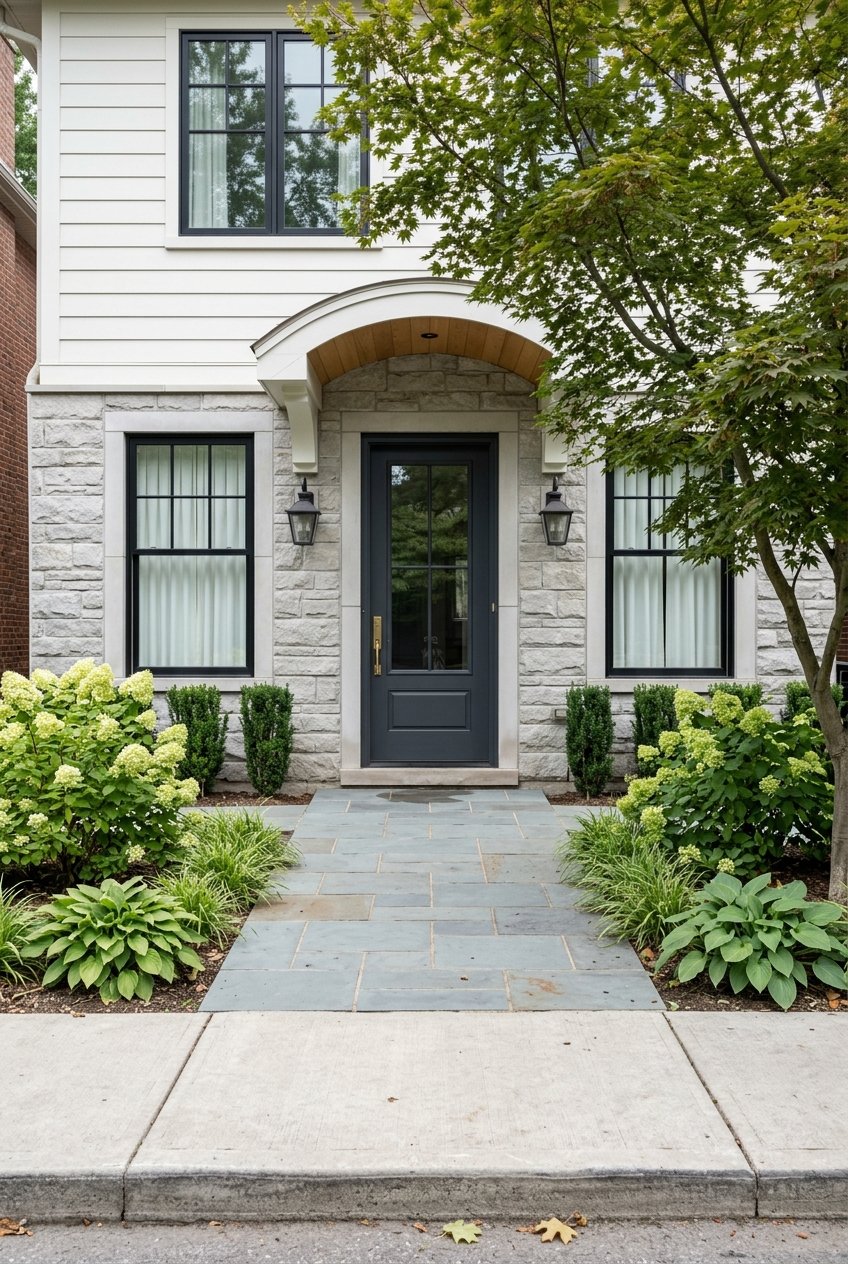
From a real estate perspective, the South End’s housing stock is a major part of its identity. The neighborhood is known for historic rowhouses, brownstones, and brick townhomes, while some areas also include loft-style spaces in converted warehouse buildings. That means your options can vary in feel, even within the same neighborhood.
The historic character also comes with practical considerations. The South End Landmark District was designated in 1983, and Boston says visible exterior work is reviewed more closely than it would be in a non-historic area. The review process can apply to front facades, visible roofs, and certain side and rear elevations.
For buyers, that usually means two things. First, the neighborhood benefits from strong visual continuity and preserved architectural character. Second, exterior renovation projects may involve more review and less flexibility than in newer parts of Boston.
That does not make ownership harder by default, but it does make due diligence especially important. If you are considering a South End property, it helps to understand not just the home itself, but also how the landmark district framework may affect visible exterior changes over time.
The South End tends to resonate with people who want city living to feel layered and walkable. Boston and BPDA sources describe the neighborhood as home to young professionals, families, immigrants, and a vibrant gay and lesbian community. That mix contributes to the area’s broad, cosmopolitan feel.
You may be drawn to the South End if you want:
For buyers, sellers, and relocators, that combination can make the South End one of the more lifestyle-driven choices in central Boston. It offers a distinct blend of elegance, activity, and creative energy that is hard to replicate elsewhere in the city.
The South End has a clear identity, and that often supports long-term interest from buyers. It is not only the architecture or only the dining scene. It is the fact that historic homes, mixed-use streets, studio culture, and park access all reinforce one another.
That layered experience is often what people remember after spending time here. You can picture your mornings, your weekends, and your evenings in a way that feels immediate. When a neighborhood makes daily life easy to imagine, it tends to leave a strong impression.
If you are weighing whether the South End fits your goals, the answer often comes down to lifestyle. If you want Boston living with visual character, cultural activity, and a strong sense of place, this neighborhood offers a lot to explore.
If you are thinking about buying, selling, or relocating in the South End or elsewhere in Boston, Alexandra Haueisen offers research-driven, high-touch guidance to help you make a confident move.
Stay up to date on the latest real estate trends.
Whether you're ready to buy, preparing to sell, or simply exploring your next steps in the Greater Boston area, Alexandra is here to help you move forward with clarity and confidence. She offers personalized consultations, market insights, property valuation guidance, and tailored recommendations based on your goals. Reach out today to start a conversation and experience attentive, detail-driven support that leads to meaningful results.