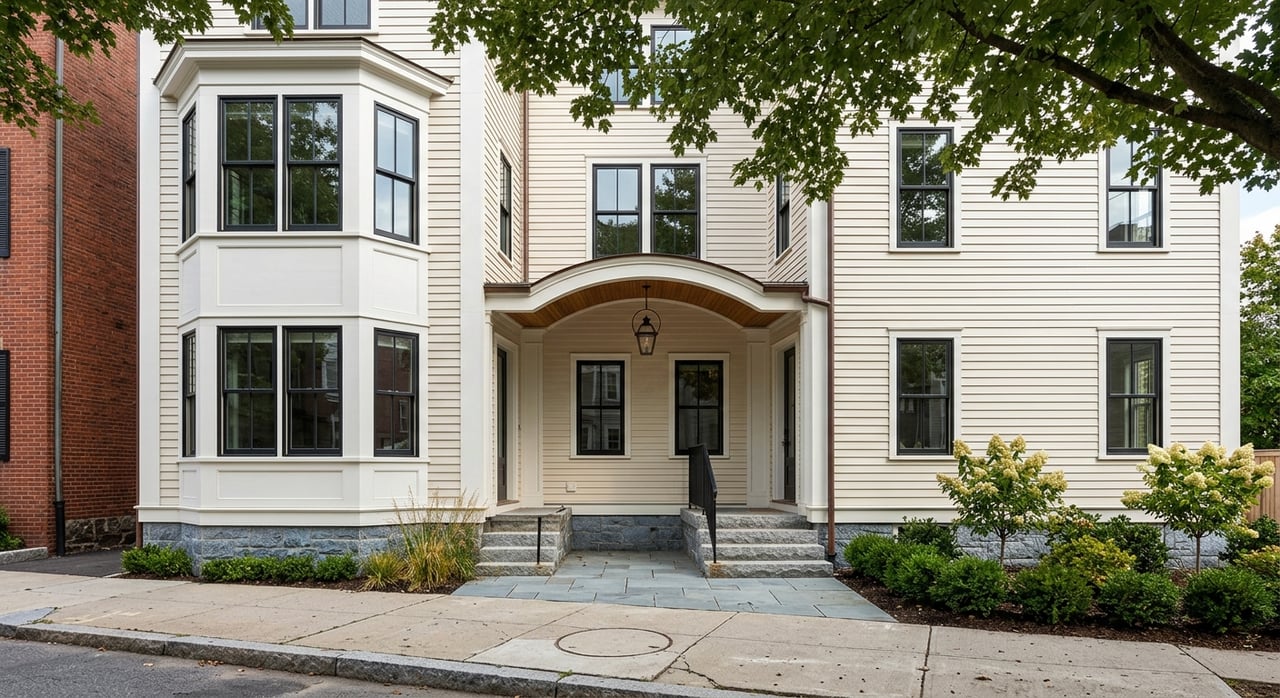
Navigating Somerville’s Condo And Multi-Family Market
May 21, 2026
May 21, 2026
Buying in Somerville can feel straightforward until you realize that a condo here is often not just a condo, and a multi-family is rarely just a bigger house. In a city shaped by older housing stock, converted buildings, and active local housing policy, the details matter. If you are trying to decide between a condo and a small multi-family, this guide will help you understand how Somerville’s market works, what to review before you commit, and where to focus your attention first. Let’s dive in.
Somerville’s housing mix is one reason the condo and multi-family market can feel different from nearby communities. According to the city’s Housing Needs Assessment, more than half of housing units are in structures with two to four units, and most owner-occupied homes and half of rental units were built before 1940.
That means your condo search may not center on large, purpose-built condo buildings. In many cases, you may be touring a unit in a converted two-family or triple-decker, where the building’s age, systems, and shared responsibilities can matter as much as the finishes inside your unit.
Somerville’s comprehensive plan also describes a housing stock that includes apartments, triple-deckers, single-family homes, and condominiums across roughly 34,000 housing units. The city notes that 50% of units have two bedrooms or fewer, which helps explain why many buyers see condos as a common entry point into the market.
Somerville has added housing in recent years, but the mix of new construction has leaned heavily toward larger apartment projects. From 2019 through 2023, the city reports that 1,706 of 2,014 new units were in buildings with eight or more units, while 211 were residential condos.
The city identifies Assembly Square, Boynton Yards, and Union Square as areas where higher-density mixed-use development has been concentrated. So if you are comparing older condos in small buildings with newer units in larger developments, you are really comparing two distinct parts of the same market.
Somerville’s inclusionary zoning program also shapes the housing mix. Since 1990, a portion of new developments must include income-eligible homes that remain permanently affordable, which is part of the broader landscape buyers should understand when reviewing available inventory.
In Massachusetts, condominiums are governed by Chapter 183A. A condo owner owns their individual unit and also holds a percentage interest in the common areas through the condominium’s organization of unit owners.
That shared interest is not a minor detail. It affects how maintenance is handled, how expenses are divided, and how decisions are made about repairs, insurance, and budgeting.
Under Massachusetts law, the condominium association may be self-managed or may appoint a manager. The association must maintain important records, including the master deed, bylaws, minute book, financial records, reserve-fund records, and insurance policies, and it must prepare a financial report after each fiscal year.
The law also requires common expenses to be assessed at least annually based on an adopted budget. Every condominium must maintain an adequate replacement reserve fund, and condominiums with more than ten units must maintain blanket fidelity insurance coverage.
If you are buying a condo in Somerville, the governing documents tell you how the building actually functions. Massachusetts law requires condo bylaws to explain how common areas are maintained and repaired, how common expenses are collected, how managers or personnel are hired, how rules are adopted, and what use restrictions apply.
In practical terms, this means the paperwork is not just paperwork. The master deed, bylaws, budget, reserve information, and recent records can reveal whether the association is planning ahead or simply reacting when problems come up.
This is especially important in smaller Somerville buildings. In a two- to four-unit condo association, one major repair can have an outsized financial impact because there are fewer owners sharing the cost.
Because so much of Somerville’s housing stock is older, condo due diligence should go well beyond paint colors and kitchen finishes. You will want to understand the age and condition of major systems and whether they are shared across the building or tied only to your unit.
Start by asking about:
Then review the association side carefully. A practical condo checklist should include:
Massachusetts law makes several of these records standard documents for buyers to request and inspect. In a market like Somerville, that review is often one of the most important steps in the entire buying process.
Somerville has active local oversight related to condo conversions. The city’s Condo Review Board enforces condo-conversion rules and verifies tenant protections when a rental property is being converted to condos.
That makes it important to confirm what kind of building you are buying into. Is it a long-established condo association, a recently converted property, or a newer development with a different ownership and management structure?
The city’s Housing Needs Assessment reports that condo-conversion applications increased in fiscal years 2020 through 2022. If you are considering a converted property, ask for clarity on the building’s conversion history, current records, and how maintenance planning has been handled since conversion.
Current market data shows a notable difference between condos and multi-family homes in Somerville. Redfin reports 106 condos for sale at a median listing price of $899,000, compared with 53 multi-family homes for sale at a median listing price of $1.55 million.
The pace of the market also differs somewhat. Redfin says Somerville condos typically stay on the market for 20 days and receive one offer, while multi-family homes stay on the market for about 22 days and receive four offers.
Across all home types, Somerville homes sold for a median of $854,900 in March 2026 and took about 27 days on market, with around three offers on average. These figures suggest that condos can be a more accessible price point, while multi-family homes often involve a higher-budget and more competitive decision.
A multi-family purchase usually comes with a different set of considerations than a condo. The higher asking prices often reflect the larger property size and the flexibility that can come with owner-occupancy or rental use.
That said, local conditions matter. Somerville’s Office of Housing Stability focuses on preventing involuntary displacement, and the city’s condo-conversion oversight reflects how important tenant-related issues are in the local market.
If you are considering a small multi-family, do not assume the building will be vacant or simple to reconfigure. Instead, confirm tenant status, lease timing, and any local conversion history before you make plans based on your assumptions.
If you are deciding between the two, it helps to focus on the ownership experience you want. A condo may offer a lower entry price and less direct responsibility for certain building-wide decisions, but you are also sharing governance and expenses with other owners.
A multi-family may provide more control over the property itself, but it can also require a larger budget and more hands-on review of occupancy, leases, and building condition. In Somerville, both options reward buyers who take a methodical, document-first approach.
A simple comparison can help:
| Property Type | Typical Buyer Focus | Key Review Areas |
|---|---|---|
| Condo | Entry point, shared ownership, monthly fee structure | Master deed, bylaws, budget, reserves, insurance, assessments, shared systems |
| Small Multi-Family | Space, flexibility, occupancy planning | Tenant status, lease timing, building systems, conversion history, overall condition |
In Somerville, condo shopping is often a documentation-and-systems exercise as much as a design exercise. The most important questions are often not about countertops, but about records, reserves, shared repairs, and how the building is run.
That mindset applies to multi-family homes as well. Before you fall in love with layout or curb appeal, make sure you understand the property’s structure, obligations, and near-term maintenance picture.
A careful review up front can help you avoid surprises later. It can also help you compare opportunities with much more confidence in a market where the details truly shape the value of what you are buying.
If you are weighing Somerville condos or multi-family options and want a research-driven, steady approach to the process, Alexandra Haueisen can help you assess the market, review the right questions, and move forward with clarity.
Stay up to date on the latest real estate trends.





Whether you're ready to buy, preparing to sell, or simply exploring your next steps in the Greater Boston area, Alexandra is here to help you move forward with clarity and confidence. She offers personalized consultations, market insights, property valuation guidance, and tailored recommendations based on your goals. Reach out today to start a conversation and experience attentive, detail-driven support that leads to meaningful results.